
Choosing Competition Events
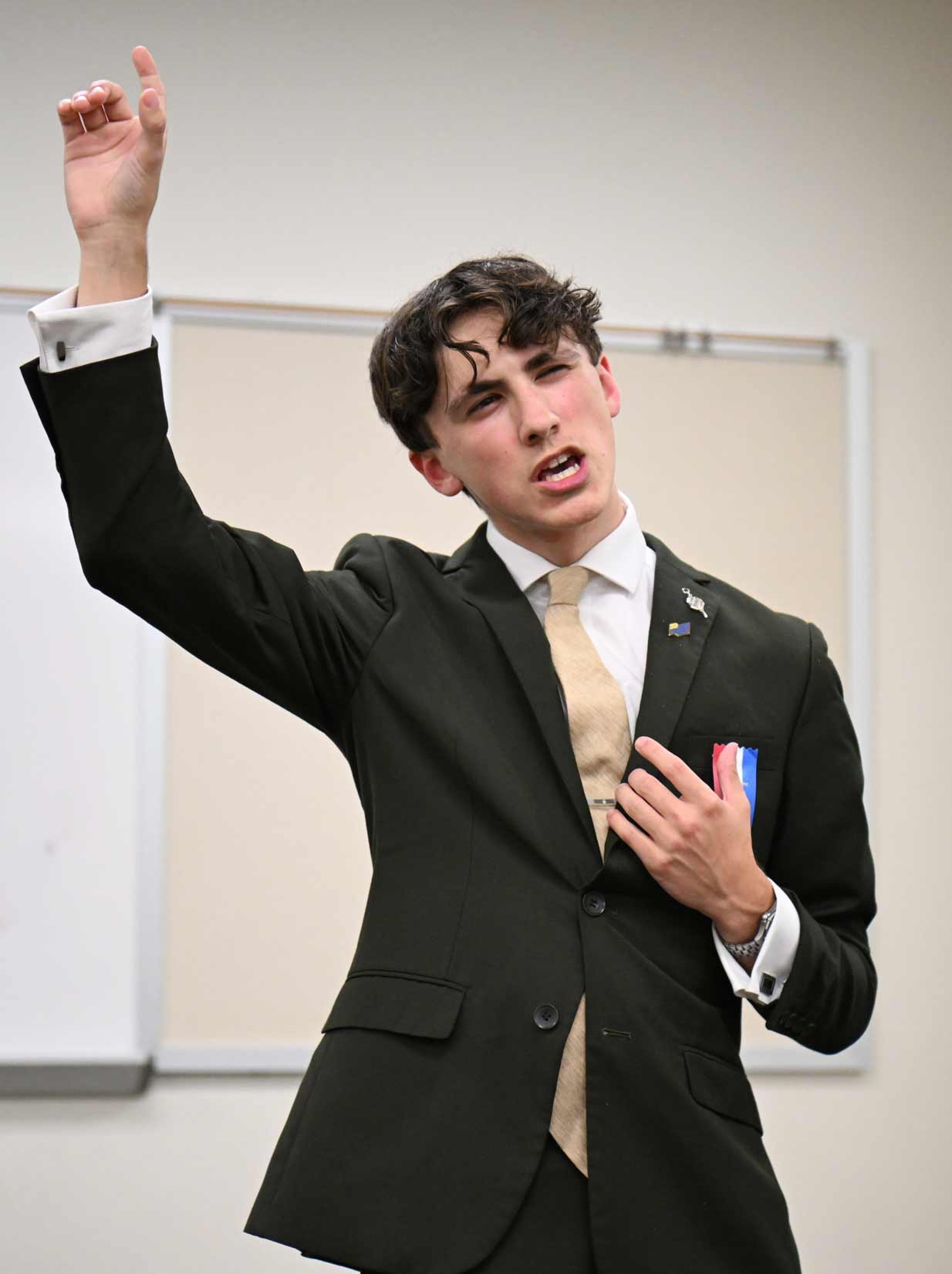
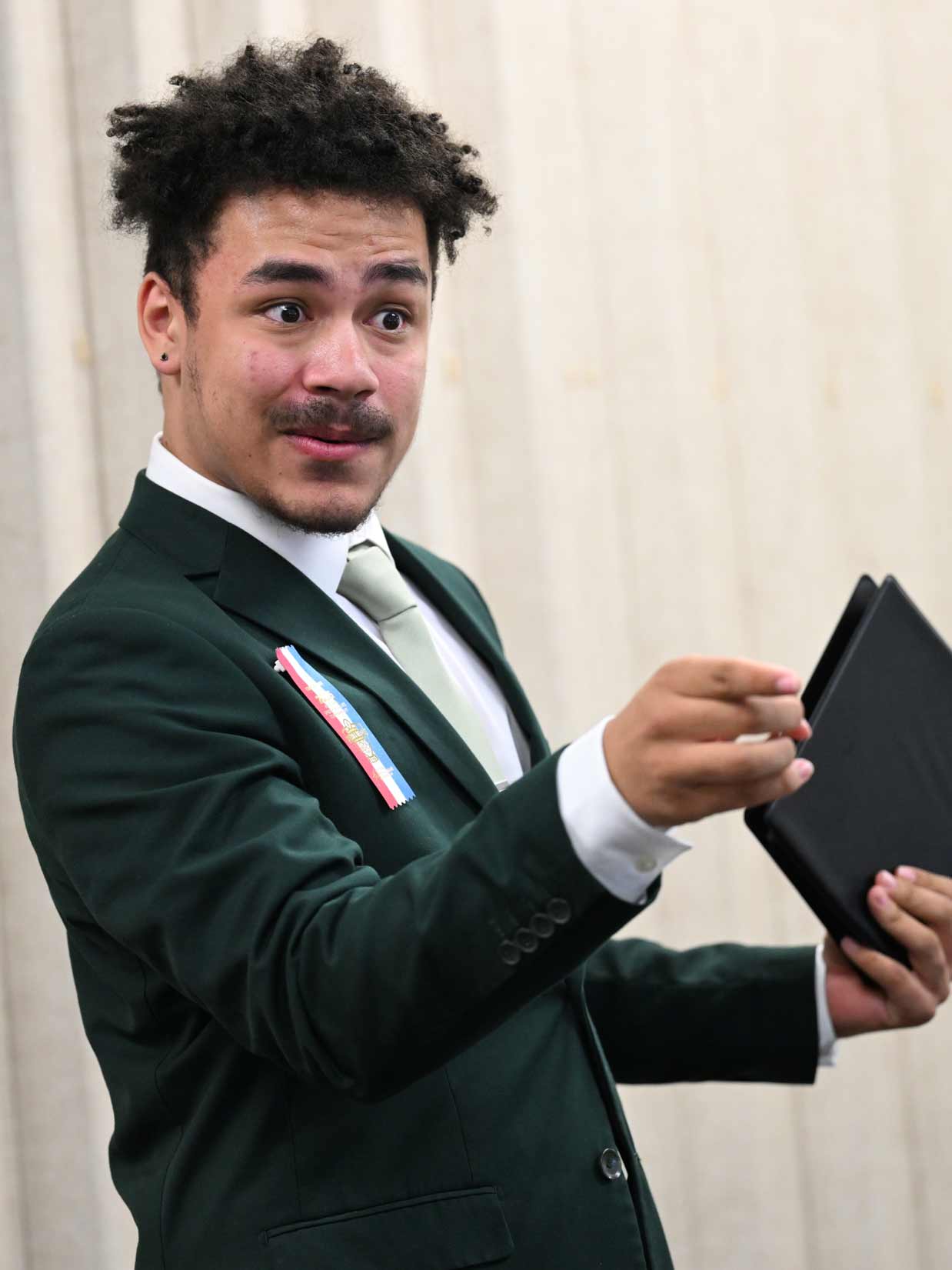
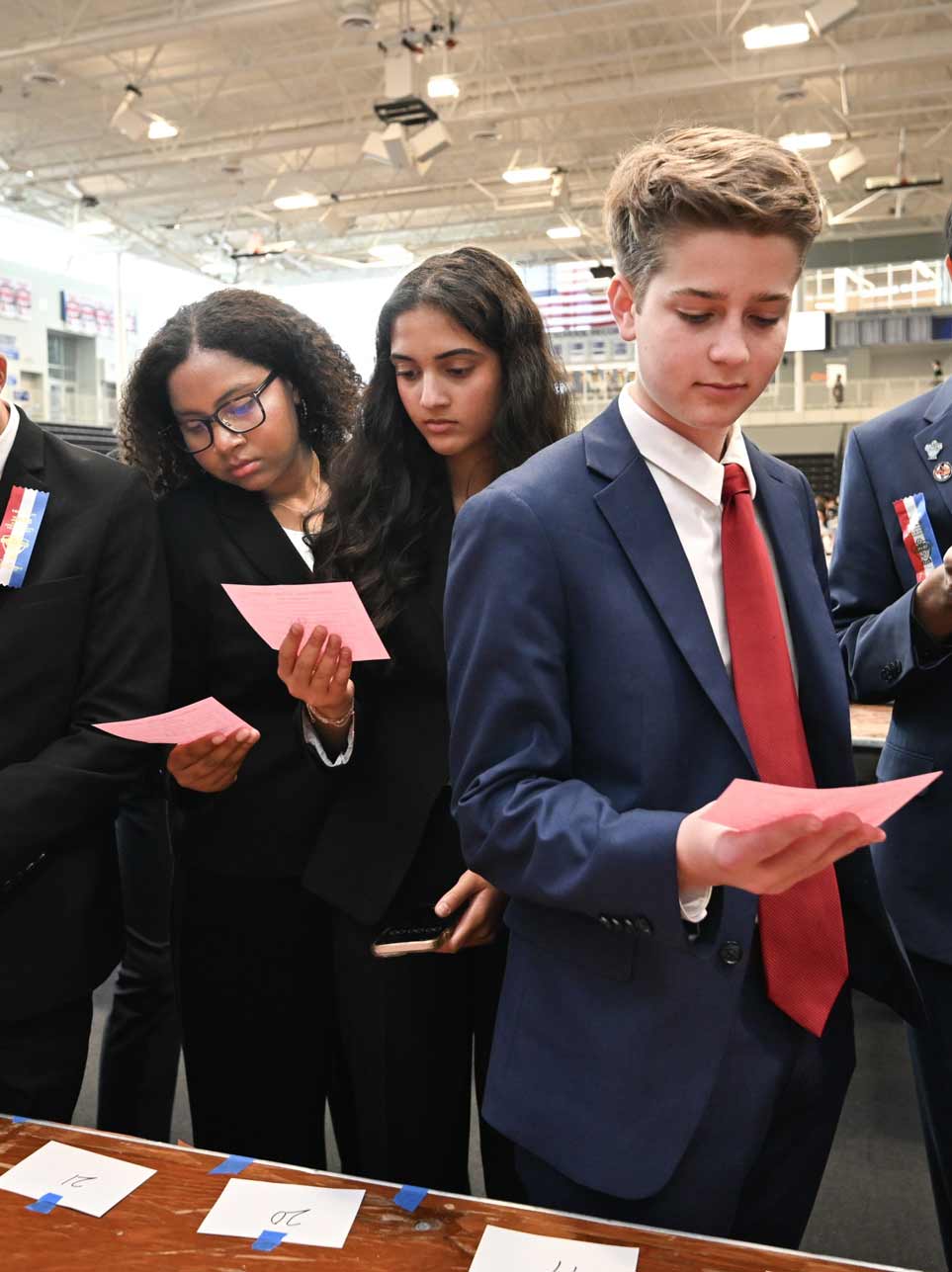
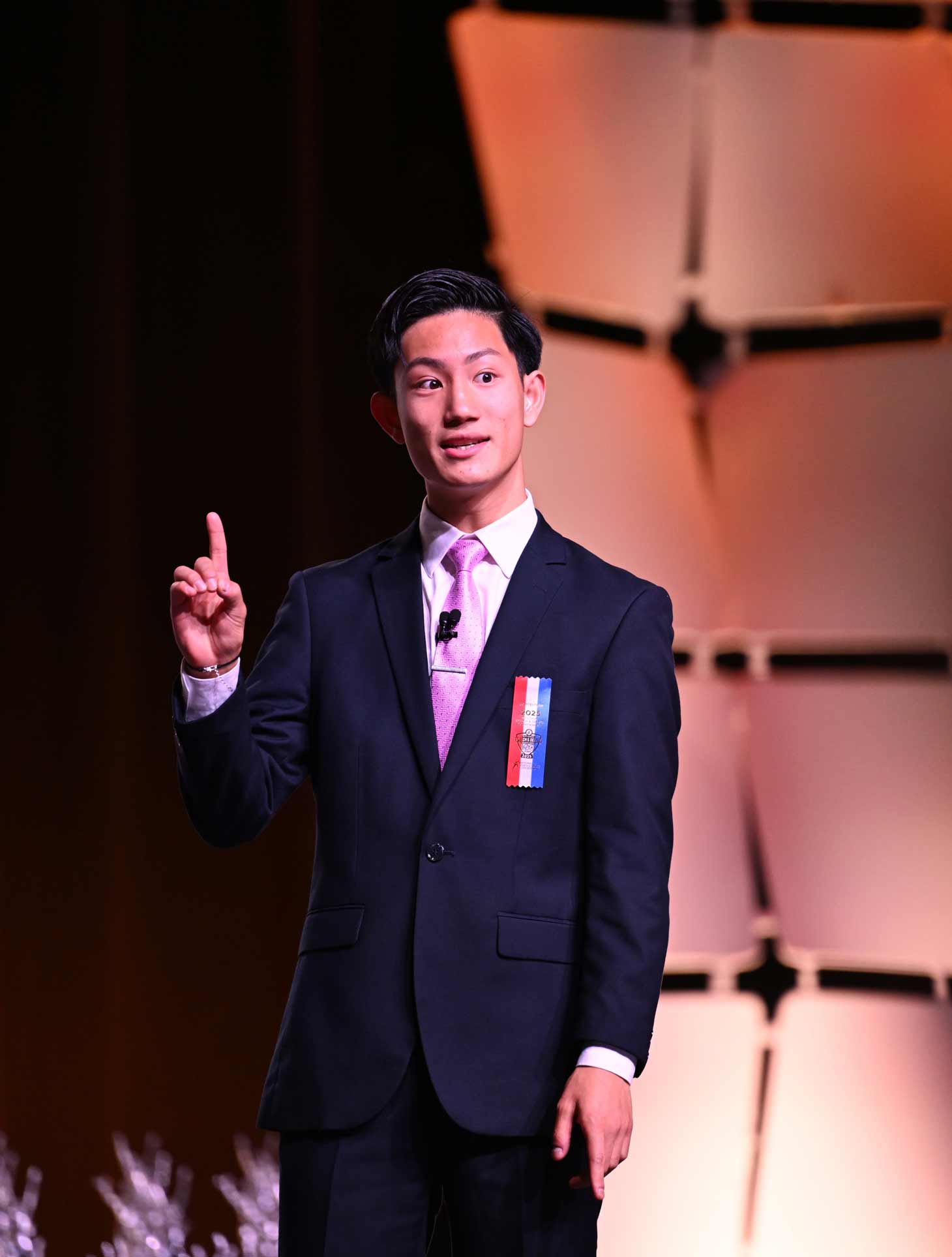
Speech and debate has something for everyone! There are competition events where students can give a speech with almost no preparation time, debate philosophical issues, give an inspirational speech, explore current events, scrutinize government policy, write and deliver poetry, perform impressions, unpack complex ideas, share opinions, quote literature, tell stories, weave together multiple stories on a topic, and more. Students can compete individually, with a partner, or with a team. They can spend the whole year exploring the same topic or talk about something new every few tournaments or in each round. They can vote for topics, write example legislation, respond to interesting questions, or write their own material.
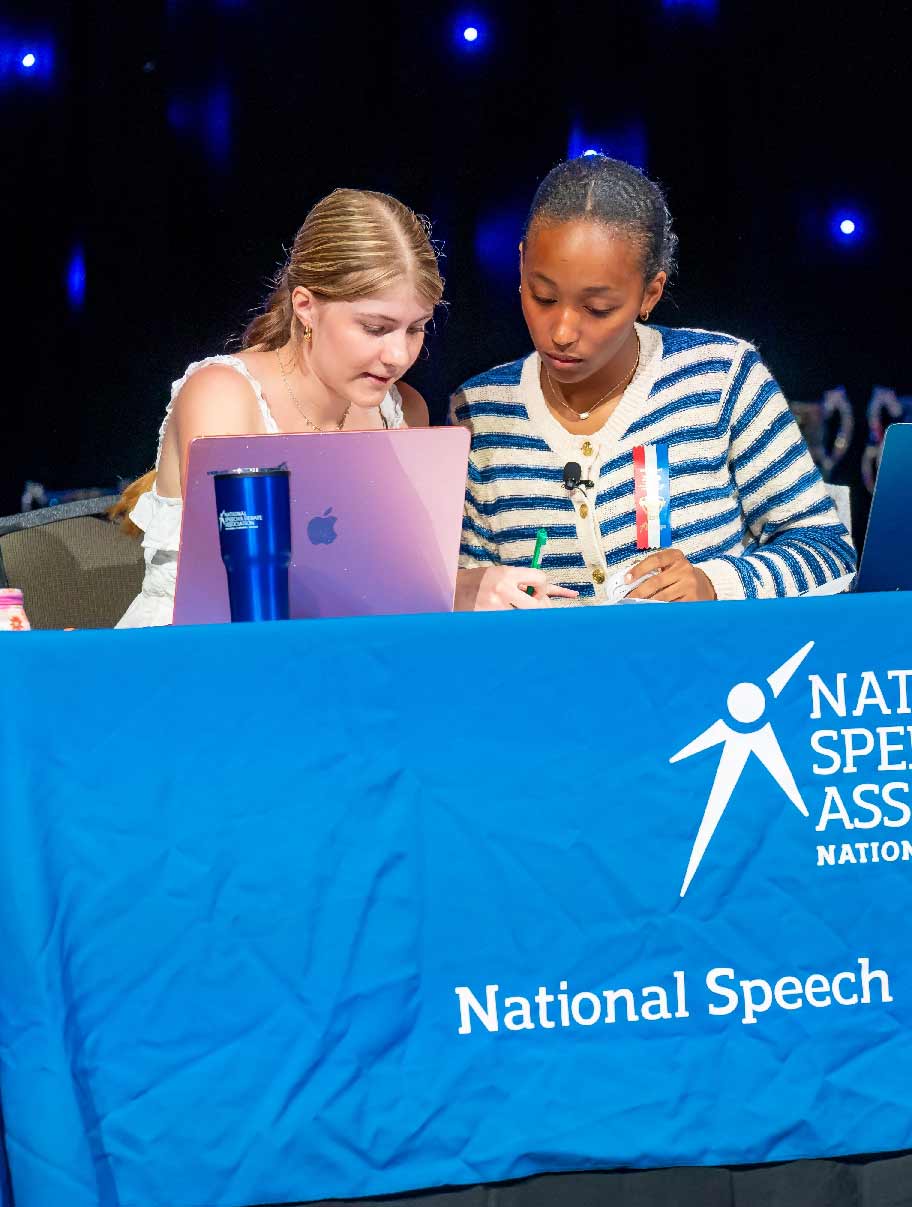
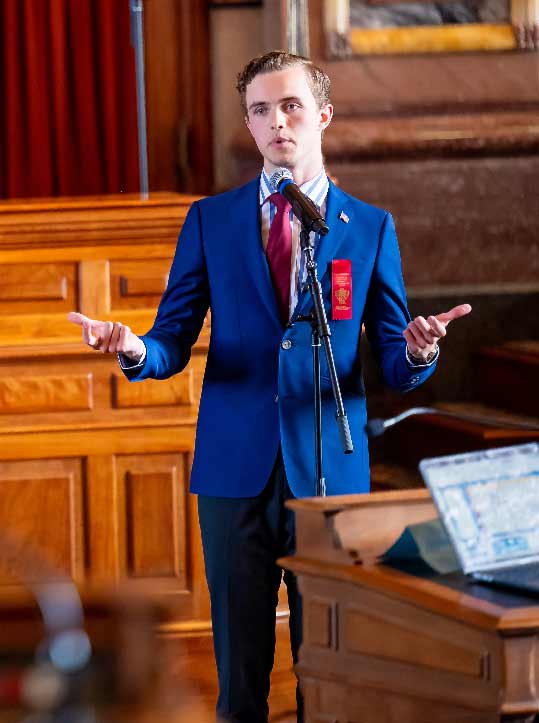
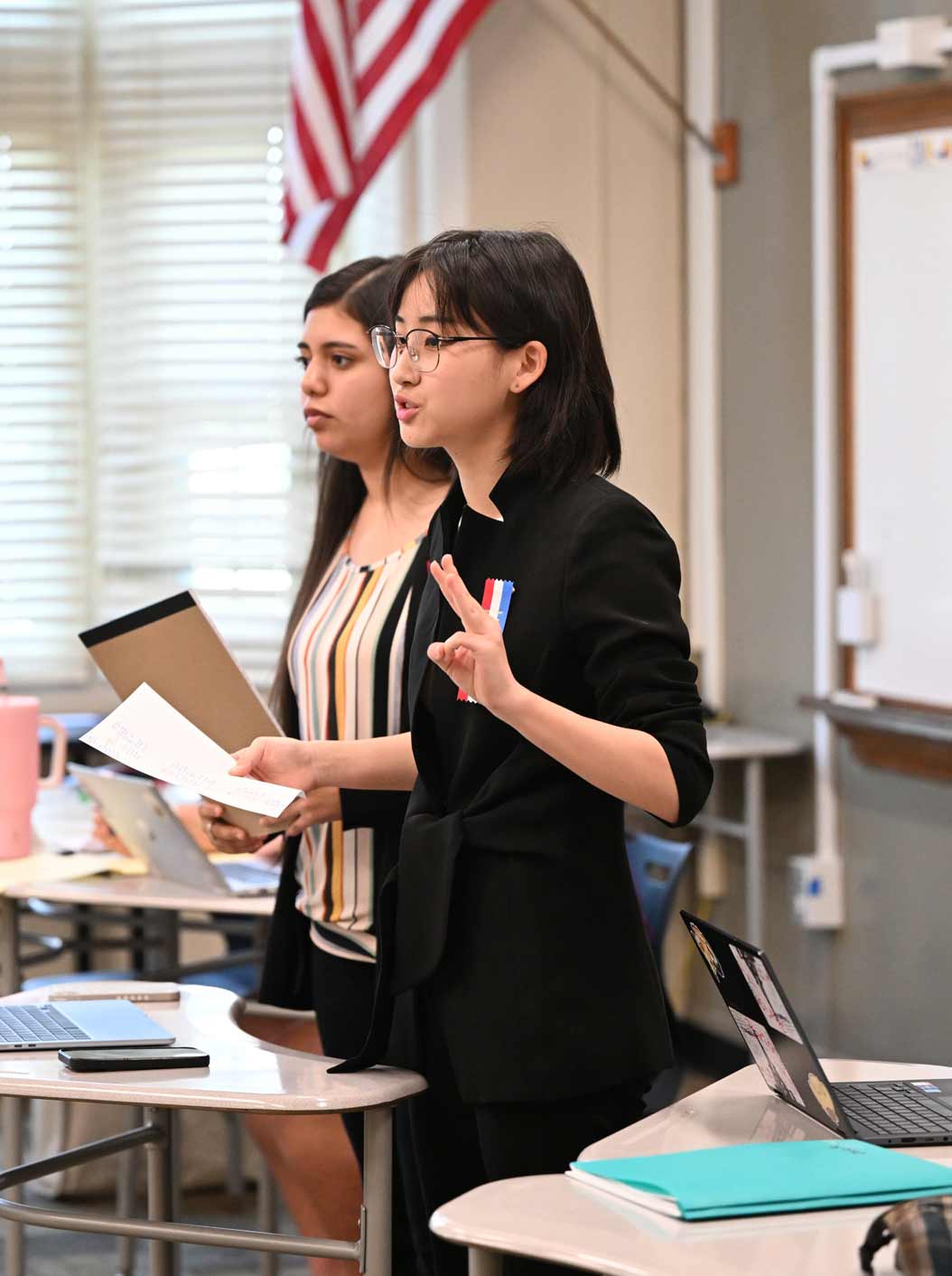
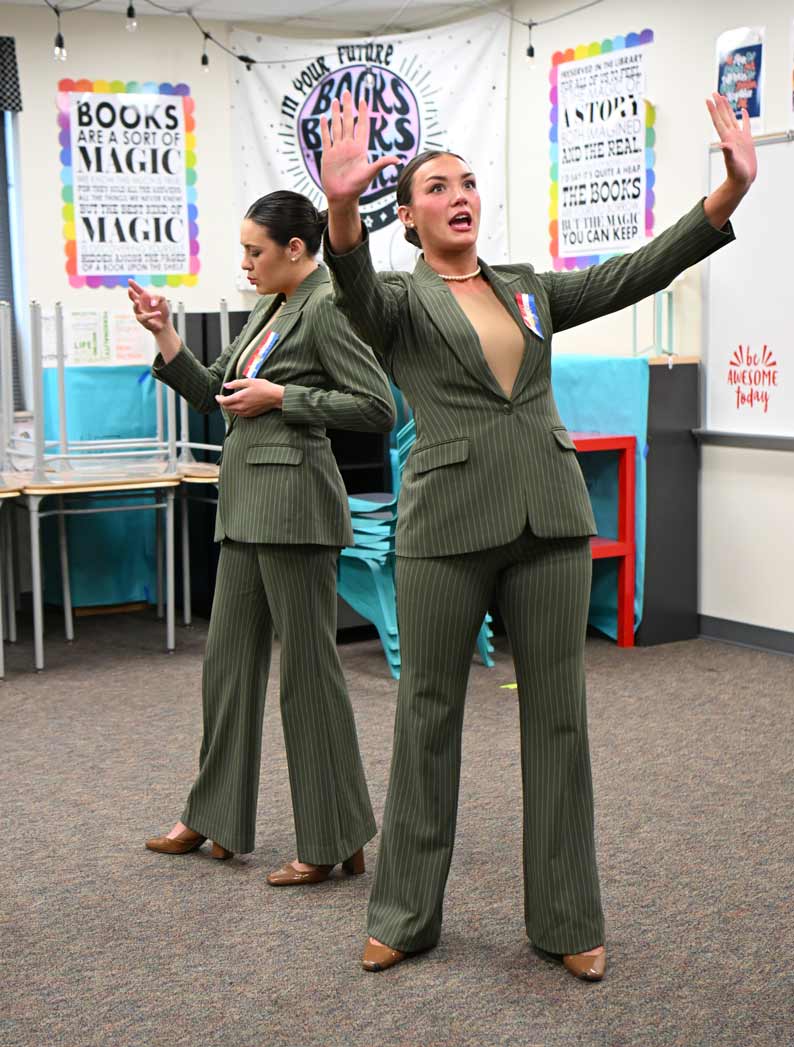
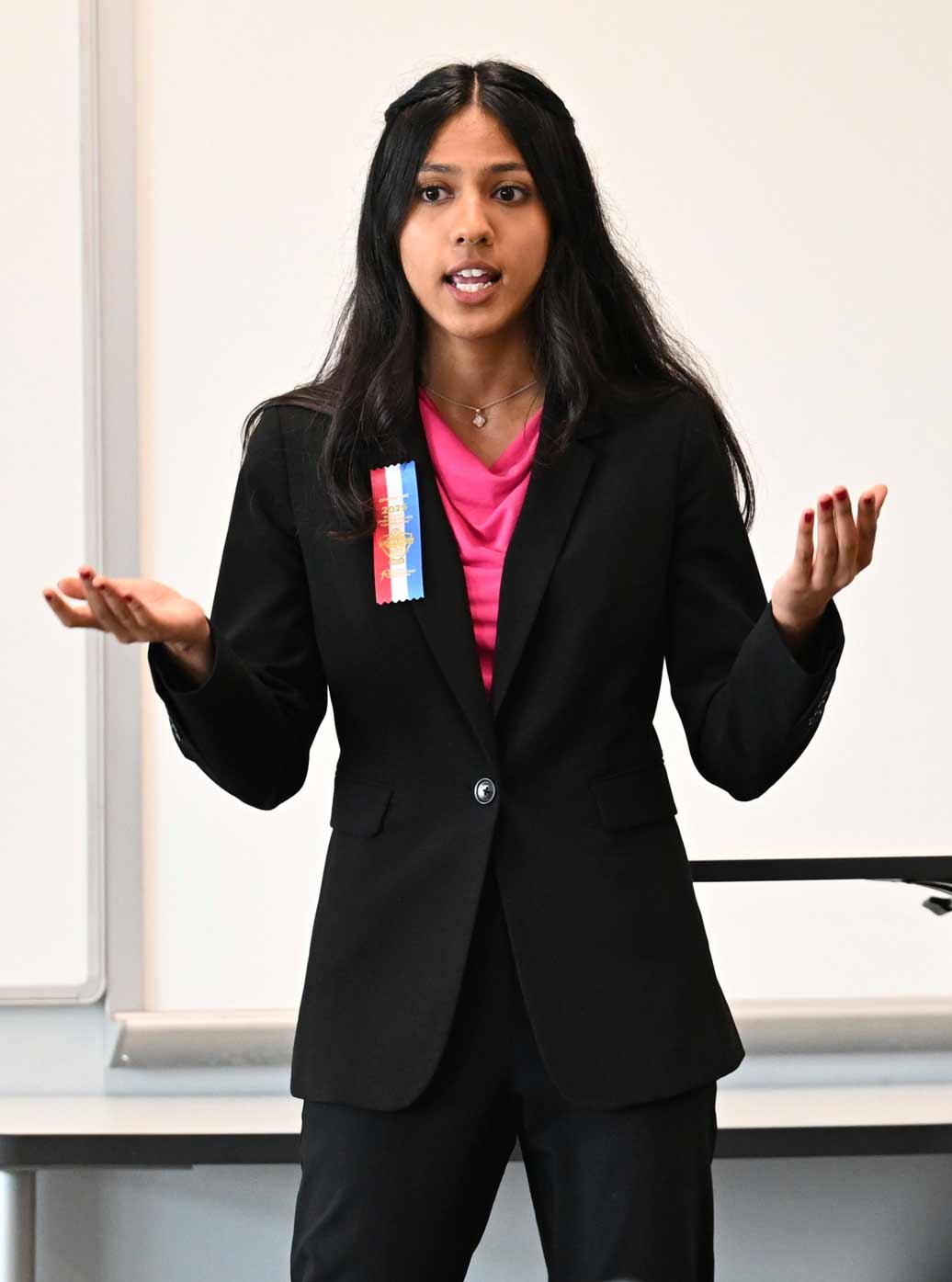
As a result, speech and debate offers an incredibly diverse competitive landscape. While this means that anyone can flourish in the activity, deciding where to plant yourself and your team can be overwhelming.
We’ll provide an overview of NSDA events, including the topics, preparation, and performance practices in each event as well as share recommendations. Read this guide entirely, browse, or use the table of contents to go directly to the sections you believe will be the most helpful.
Choosing Competition Events
2 3 Choosing Competition Events
Speech and Debate Events
“Speech and debate” describes many types of events.

The “speech” part of “speech and debate” generally refers to a variety of speaking activities where people share information, arguments, and stories with audiences. At the NSDA, speech events are broken down into public address events, where speakers generally write their own speeches, and interpretation events, where speakers perform excerpts of plays, books, poems, stories, and more.

“Debate” generally refers to a variety of activities where people exchange opposing arguments on a common topic. They use arguments to test the suitability of a concept, policy, philosophy, or value. It is more structured than a conversation or discussion and uses rules and procedures to ensure that each “side” of the topic gets roughly equal time and consideration.
The NSDA offers 24 unique speech and debate events! In high school, events are generally split into two categories: main events and supplemental events. Main events are the primary competition categories at NSDA Districts and NSDA Nationals. If a high school competitor doesn’t qualify for elimination rounds at NSDA Nationals in their main event, they can then compete in supplemental events (also called supps). The middle school competition is not split into main and supplemental events.
You should prioritize NSDA main events to compete at NSDA Districts and NSDA Nationals.
| Event | HS Main Event | HS Supplemental Event | MS Event | |
|---|---|---|---|---|
| Public Address | ||||
| Commentary | ✔ | |||
| Declamation | ✔ | |||
| Expository Speaking | ✔ | |||
| Extemporaneous Speaking | ✔ United States or International |
✔
Mixed |
||
| Impromptu Speaking | ✔ | ✔ | ||
| Informative Speaking | ✔ | ✔ | ||
| Original Oratory | ✔ | ✔ | ||
| Original Spoken Word Poetry | ✔ | ✔ | ||
| Interpretation | ||||
| Dramatic Interpretation | ✔ | ✔ | ||
| Duo Interpretation | ✔ | ✔ | ||
| Humorous Interpretation | ✔ | ✔ | ||
| Poetry | ✔ | ✔ | ||
| Program Oral Interpretation | ✔ | ✔ | ||
| Prose | ✔ | ✔ | ||
| Storytelling | ✔ | ✔ | ||
| Debate | ||||
| Big Questions Debate* | ||||
| Congressional | ✔ | ✔ | ||
| Extemporaneous Debate | ✔ | |||
| Lincoln-Douglas Debate | ✔ | ✔ | ||
| Policy Debate | ✔ | ✔ | ||
| Public Forum Debate | ✔ | ✔ | ||
| World Schools Debate | ✔ | ✔ | ||
Event |
High School Main Event |
High School Supplemental Event |
Middle School Event |
|---|
|
Public Address |
||||
|---|---|---|---|---|
|
Public Address Commentary |
Public Address |
Public Address ✔ |
Public Address |
|
|
Public Address Declamation |
Public Address |
Public Address |
Public Address ✔ |
|
|
Public Address Expository Speaking |
Public Address |
Public Address ✔ |
Public Address |
|
|
Public Address Extemporaneous Speaking |
Public Address ✔ United States or |
Public Address |
Public Address ✔ Mixed |
|
|
Public Address Impromptu Speaking |
Public Address |
Public Address ✔ |
Public Address ✔ |
|
|
Public Address Informative Speaking |
Public Address ✔ |
Public Address |
Public Address ✔ |
|
|
Public Address Original Oratory |
Public Address ✔ |
Public Address |
Public Address ✔ |
|
|
Public Address Original Spoken Word Poetry |
Public Address |
Public Address ✔ |
Public Address ✔ |
|
|
Public Address Interpretation |
||||
|
Public Address Dramatic Interpretation |
Public Address ✔ |
Public Address |
Public Address ✔ |
|
|
Public Address Duo Interpretation |
Public Address ✔ |
Public Address |
Public Address ✔ |
|
|
Public Address Humorous Interpretation |
Public Address ✔ |
Public Address |
Public Address ✔ |
|
|
Public Address Poetry |
Public Address |
Public Address ✔ |
Public Address ✔ |
|
|
Public Address Program Oral Interpretation |
Public Address ✔ |
Public Address |
Public Address ✔ |
|
|
Public Address Prose |
Public Address |
Public Address ✔ |
Public Address ✔ |
|
|
Public Address Storytelling |
Public Address |
Public Address ✔ |
Public Address ✔ |
|
|
Public Address Debate |
||||
|
Public Address Big Questions Debate* |
Public Address |
Public Address |
Public Address |
|
|
Public Address Congressional Debate |
Public Address ✔ |
Public Address |
Public Address ✔ |
|
|
Public Address Extemporaneous Debate |
Public Address |
Public Address ✔ |
Public Address |
|
|
Public Address Lincoln-Douglas Debate |
Public Address ✔ |
Public Address |
Public Address ✔ |
|
|
Public Address Policy Debate
|
Public Address ✔ |
Public Address |
Public Address ✔ |
|
|
Public Address Public Forum Debate |
Public Address ✔ |
Public Address |
Public Address ✔ |
|
|
Public Address World Schools Debate |
Public Address ✔ |
Public Address |
Public Address ✔ |
|
*Big Questions Debate is not considered a main or supplemental event. It is offered at both the high school and middle school level.
The speech and debate community is vast, and the NSDA is one of many speech and debate organizations. Your local league, state organization, and other national organizations may offer a variety of other events that are not part of the NSDA’s current slate of competition events. However, participation in many non-NSDA events can still earn points in our Honor Society. Learn more about our Honor Society.
High School Main Events are *starred:
Speech (Public Address)

Commentary is a five-minute public speaking event (with a 30-second grace period) in which students respond to a prompt drawn on a topic of societal, political, historical, or popular interest. Students have 20 minutes to prepare their speech, during which they may consult articles and evidence they have gathered in advance.

Declamation is a 10-minute public speaking event (with a 30-second grace period) in which students perform a previously delivered, publicly available speech. The selection may come from any public address.

Expository Speaking is a five-minute informative speaking event (with a 30-second grace period) in which students explain to an audience a topic of their choosing. The goal is to provide new insights, highlight interesting implications, or offer a fresh perspective on a subject, whether it’s completely unfamiliar or commonly known.

* Extemporaneous Speaking is a seven-minute speech event (with a 30-second grace period). There are three variations:
- International Extemporaneous Speaking – Students have 30 minutes to prepare a speech in response to one of three selected questions related to global politics, economics, or culture. (high school only)
- United States Extemporaneous Speaking – Students have 30 minutes to prepare a speech in response to one of three selected questions related to U.S. politics, economics, domestic policy, or cultural issues. (high school only)
- Mixed Extemporaneous Speaking – Students are given 30 minutes to prepare a speech in response to one of three questions covering national and global current events. (middle school only)

Impromptu Speaking is a public speaking event in which students are given seven minutes (with a 30-second grace period) to select a topic, brainstorm ideas, organize a speech, and deliver it without the use of notes. The speech must include an introduction, body, and conclusion, and can range in tone from lighthearted to serious.

* Informative Speaking is a 10-minute original speech event (with a 30-second grace period) in which students aim to educate the audience about a topic of significance. The speech is written and delivered by the student and may include optional visual aids.

* Original Oratory is a 10-minute speech event (with a 30-second grace period) in which students deliver a self-written speech designed to persuade an audience on a topic of significance. While the speech may incorporate humor and emotional appeals, it must be grounded in evidence, logic, and clear structure.

Original Spoken Word Poetry is a five-minute event (with a 30-second grace period) where students perform original poetry from memory. The piece must be written by the student and may include no more than 150 words of direct quotation, which must be cited in a printed copy.
Speech (Interpretation)

* Dramatic Interpretation is a 10-minute event (with a 30-second grace period) that challenges students to bring a published piece of serious literature to life using only their voice, facial expressions, and physicality without the use of props, costumes, or sets.

* Duo Interpretation is a 10-minute event (with a 30-second grace period) that showcases two performers bringing a published script to life. The performance can be dramatic, comedic, or a blend of both.

* Humorous Interpretation is a 10-minute event (with a 30-second grace period) that challenges students to entertain and connect with audiences through comedic storytelling. Using published material, performers often portray multiple characters, shifting voices, and physicality to bring dynamic scenes to life, all without props, costumes, or sets.

Poetry is a five-minute event (with a 30-second grace period) that focuses on the power of language, expression, and emotional connection. Through the performance of published poems, students convey complex ideas, personal experiences, and deep emotions, often in creative and thought-provoking ways.

* Program Oral Interpretation is a 10-minute event (with a 30-second grace period) that challenges students to weave together multiple genres of literature (prose, poetry, and drama) into a cohesive, theme-driven performance. Each program must include at least two of the three genres, though many students choose to incorporate all three, with the goal of crafting a compelling argument or central message supported by the selected texts.

Prose is a five-minute event (with a 30-second grace period) that offers students the opportunity to perform published literature written in everyday language and structure. Prose reflects the natural patterns of speech and is often drawn from novels, short stories, essays, or other narrative-driven works.

Storytelling is a five-minute event (with a 30-second grace period) in which students perform a published story as if presenting to a group of young children. Some tournaments may assign a specific theme, such as heroism, fairy tales, or mysteries, or allow students to choose any age-appropriate story that fits the format.
Debate

Big Questions Debate is a structured debate event where students have a set time limit to present constructive cases, engage in rebuttal and refutation, and participate in cross-examination. Big Questions explores complex, worldview-based topics at the intersection of science, philosophy, and religion.

* Congressional Debate is a group debate event simulating the U.S. legislative process. Students meet in chambers of approximately 10 to 25 participants and debate legislation over a session typically lasting two to three hours. Speeches are up to three minutes in length followed by a questioning period. An elected student participant serves as the presiding officer, managing the flow of debate using parliamentary procedure.

Extemporaneous Debate is a one-on-one debate event in which students are presented with a new resolution each round and have 30 minutes to prepare before delivering arguments, refutation, and rebuttals.

* Lincoln-Douglas Debate is a one-on-one debate format in which students debate questions of morality, philosophy, and justice. It explores the tension between competing values such as individual freedom versus the collective good or economic development versus environmental protection.

* Policy Debate is a two-on-two debate where the affirmative team proposes a policy plan and the negative team argues against its adoption. The topic remains the same throughout the academic year, allowing students to explore a single issue in depth.

* Public Forum Debate is a two-on-two debate that focuses on current event topics. Resolutions change frequently throughout the season, exposing students to a wide range of timely issues.

* World Schools Debate is a three-on-three debate format combining prepared and impromptu motions. While teams may include up to five members, only three compete in any given round. Students are assigned either the proposition (government) or opposition side each round and debate motions that focus on real-world issues.
Topics
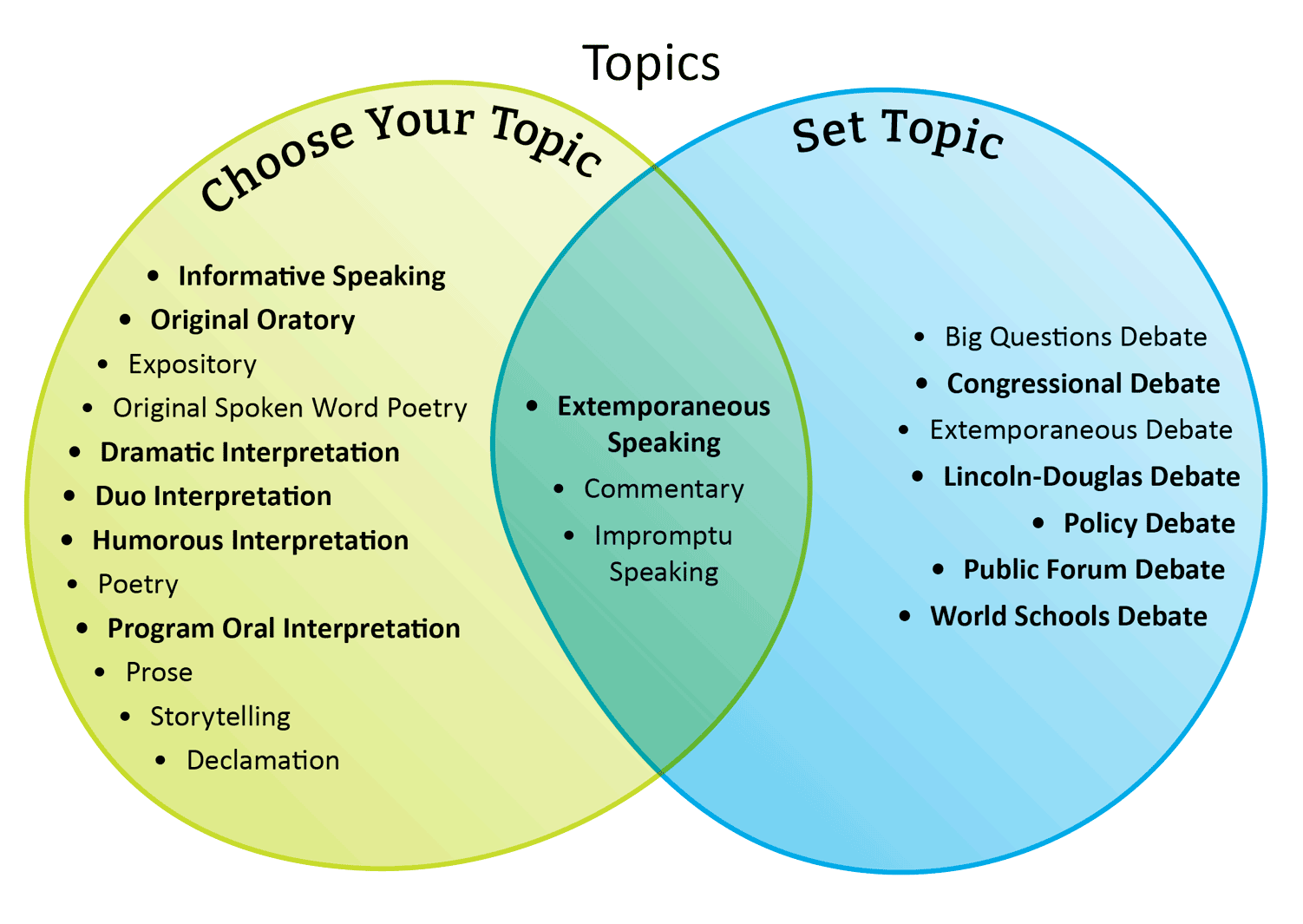
Depending on the types of topics you are interested in and how important it is to you to be able to select your own topic, certain events may appeal to you more than others.
All events can explore almost any topic, and all have a unique approach to the topics they do cover. If you can think of a topic, it’s likely been explored at some point in one of these events. However, one of the exceptional things about speech and debate is that students can bring their own skills, experiences, perspectives, and creativity to their events and breathe new life into any topic. That’s why people can participate in speech and debate for their entire lives and not get bored!
Some topic considerations are:
Format and Genre
Certain events are meant to explore specific genres such as literature, poetry, prose, or public speeches. Others require students to inform, persuade, or entertain.
Subject
Certain events lend themselves to certain types of subject matter, including serious personal and social issues, humor, philosophy, economics, international relations, culture, history, pop culture, media, current events, religion, technology, environment, etc.
Choice and Timing
Certain events give the speaker free choice of topic. Others require students to choose from a set of prompts or questions.
Debate topics (often called resolutions) are set in advance, whether the topic is set for the round, the tournament, the month, or the year. This is because debate requires competitors to engage with one another’s arguments. In many cases topics are chosen by collective vote, where schools can submit topic ideas and everyone votes for their preferred topic.
Of course, debaters and teams still have free reign to decide which arguments to make and how to respond to their opponents’ arguments in each round. A set topic doesn’t mean you have to agree with it. In fact, topics are selected because they are debatable and invite a wide variety of perspectives. And, by design, debaters and teams should be prepared to argue both sides of a given topic.
To conceptualize how different events approach their respective topics, imagine that all speech and debate events are exploring the topic of censorship. Browse the chart to understand similarities and differences across events and see how they might all bring a unique approach to the topic of censorship.
| Topics | ||||
| Event | Format & Genre | Subject | Choice and Timing | Example |
|---|---|---|---|---|
| Public Address | ||||
| Commentary | Prompts, often in the form of witty questions or statements | Varies | Student chooses from a selection of prompts and has 20 minutes to prepare a five-minute speech | “Whistleblowers or flame throwers?” |
| Declamation | A previously performed public speech | Varies | Student chooses a text and memorizes/practices the 10-minute speech prior to tournament |
Frederick Douglass, “A Plea for Free Speech in Boston”
|
| Expository Speaking | Informative | Varies | Student chooses a topic and writes/memorizes an original 5-minute speech prior to tournament | Common myths about the first amendment |
| Extemporaneous Speaking(United States) | Questions about the U.S. | Current events and important issues | Student chooses from a selection of questions and has 30 minutes to prepare a 7-minute speech | Should the recent cancellations of some late night shows be considered unlawful censorship? |
| Extemporaneous Speaking(International) | Questions about the world | Current events and important issues | Student chooses from a selection of questions and has 30 minutes to prepare a 7-minute speech | How will China’s internet censorship policy influence its economic growth? |
| Impromptu Speaking | Prompts, often in the form of questions, quotes, philosophies, words or phrases, people, current events, items, or concepts | Varies | Student chooses from a selection of prompts and has 7 minutes to prepare and speak | “There is more than one way to burn a book. And the world is full of people running about with lit matches.” – Ray Bradbury |
| Informative Speaking | Informative | Varies | Student chooses a topic and writes/memorizes an original 10-minute speech prior to tournament | The concept of the “spiral of silence” |
| Original Oratory | Persuasive | Varies | Student chooses a topic and writes/memorizes an original 10-minute speech prior to tournament | Media echo chambers are a form of self-censorship |
| Original Spoken Word Poetry | Poem | Varies | Student chooses a topic and writes/memorizes an original 10-minute speech prior to tournament | The girl who found her voice |
| Interpretation | ||||
| Dramatic Interpretation | Published scripts with dramatic themes | Varies | Student chooses a text and memorizes/practices the 10-minute performance prior to tournament | Excerpt from the novel 1984 by George Orwell |
| Duo Interpretation | Published scripts | Varies | Students choose a text and memorizes/practices the 10-minute performance prior to tournament | Excerpt from the play Censorbleep by Lindsay Price |
| Humorous Interpretation | Published scripts with humorous themes | Varies | Student chooses a text and memorizes/practices the 10-minute performance prior to tournament | Excerpt from the play That One Book About You-Know-What by Kirk Shiman |
| Poetry | Published poems | Varies | Student chooses a text and memorizes/practices the 5-minute performance prior to tournament | The poem Bite Your Tongue by Norma Pain |
| Program Oral Interpretation | Published prose, poetry, and/or drama with a unified theme | Varies | Student chooses multiple texts and memorizes/practices the 10-minute performance prior to tournament |
Excerpts from: The play #Censored by Maria McConville The poem Ban This Poem! by Joe Wos The novel This Book Won’t Burn by Samira Ahmed |
| Prose | Published literature | Varies | Student chooses a text and memorizes/practices the 5-minute performance prior to tournament | Excerpt from the non-fiction book Read Dangerously: The Subversive Power of Literature in Troubled Times by Azar Nafisi |
| Storytelling | Published book appropriate for young audiences | Varies | Student chooses a text and memorizes/practices the 5-minute performance prior to tournament | Excerpt from the children’s book Arthur and the Scare-Your-Pants-Off Club by Marc Brown |
| Debate | ||||
| Big Questions Debate* | Resolution | Varies, but primarily philosophical and reflective |
Set by the NSDA each year Tournament assigns sides each round |
Resolved: For a society to be free, information must be free. |
| Congressional |
Bills, congressional resolutions, and constitutional amendments Collection of these is called a docket |
Varies, but with focus on issues that Congress can reasonably act upon |
Docket set and publicly shared prior to each tournament Students chooses side for each speech |
WHEREAS, freedom of speech is under attack; and WHEREAS, freedom of speech is an essential right that promotes free and fair societies; and … RESOLVED, by the Congress here assembled that no governing body may place restrictions on classroom conversations regarding identity. |
| Extemporaneous Debate | Resolution | Varies |
Set by tournament and shared 30 minutes prior to each round Tournament assigns sides before each round
|
Resolved: Social media companies should be held responsible for the content posted on their platforms. |
| Lincoln-Douglas Debate | Resolution | Varies, but primarily ethical, social, and philosophical issues |
Voted on by community and changes every two months Novices debate about national service each year Tournament assigns sides before each round |
Resolved: Increased freedom of speech restrictions are justifiable during wartime. |
| Policy Debate | Resolution | Varies, but primarily government policy issues |
Voted on by community and changes yearly At some tournaments, novices may be restricted to certain subsets of the topic Tournament assigns sides before each round |
Resolved: The United States federal government should establish regulations to limit foreign media influence and the spread of misinformation. |
| Public Forum Debate | Resolution | Varies, but primarily current events and issues |
Voted on by community and changes monthly or every two months Students flip a coin to decide sides each round |
Resolved: In United States K-12 schools, the benefits of censoring some academic material outweigh the harms. |
| World Schools Debate |
Prepared and impromptu motions (debatable statements) often formatted as: This House believes… This House regrets… This House supports… |
Varies, but often with global perspective |
Set by tournament Prepared motions shared prior to tournament Impromptu motions shared one hour prior to round Tournament assigns sides each round |
This House believes that no nation should restrict the free flow of information to their citizens. |
|
Topics |
||||
|---|---|---|---|---|
|
Topics Event |
Topics Format and Genre |
Topics Subject |
Topics Choice and Timing |
Topics Example |
|
Public Address |
||||
|---|---|---|---|---|
|
Public Address Commentary |
Public Address Prompts, often in the form of witty questions or statements |
Public Address Vaires |
Public Address Student chooses from a selection of prompts and has 20 minutes to prepare a five-minute speech |
Public Address “Whistleblowers or flame throwers?” |
|
Public Address Declamation |
Public Address A previously performed public speech |
Public Address Varies |
Public Address Student chooses a text and memorizes/practices the 10-minute speech prior to tournament |
Public Address Frederick Douglass, “A Plea for Free Speech in Boston” |
|
Public Address Expository Speaking |
Public Address Informative |
Public Address Varies |
Public Address Student chooses a topic and writes/memorizes an original 5-minute speech prior to tournament |
Public Address Common myths about the first amendment |
|
Public Address Extemporaneous Speaking (United States) |
Public Address Questions about the U.S. |
Public Address Current events and important issues |
Public Address Student chooses from a selection of questions and has 30 minutes to prepare a 7-minute speech |
Public Address Should the recent cancellations of some late night shows be considered unlawful censorship? |
|
Public Address Extemporaneous Speaking (International) |
Public Address Questions about the world |
Public Address Current events and important issues |
Public Address Student chooses from a selection of questions and has 30 minutes to prepare a 7-minute speech |
Public Address How will China’s internet censorship policy influence its economic growth? |
|
Public Address Impromptu Speaking |
Public Address Prompts, often in the form of questions, quotes, philosophies, words or phrases, people, current events, items, or concepts |
Public Address Varies |
Public Address Student chooses from a selection of prompts and has 7 minutes to prepare and speak |
Public Address “There is more than one way to burn a book. And the world is full of people running about with lit matches.” – Ray Bradbury |
|
Public Address Informative Speaking |
Public Address Informative |
Public Address Varies |
Public Address Student chooses a topic and writes/memorizes an original 10-minute speech prior to tournament |
Public Address The concept of the “spiral of silence” |
|
Public Address Original Oratory |
Public Address Persuasive |
Public Address Varies |
Public Address Student chooses a topic and writes/memorizes an original 10-minute speech prior to tournament |
Public Address Media echo chambers are a form of self-censorship |
|
Public Address Original Spoken Word Poetry |
Public Address Poem |
Public Address Varies |
Public Address Student chooses a topic and writes/memorizes an original 5-minute poem prior to tournament |
Public Address The girl who found her voice |
|
Public Address Interpretation |
||||
|
Public Address Dramatic Interpretation |
Public Address Published scripts with dramatic themes |
Public Address Varies |
Public Address Student chooses a text and memorizes/practices the 10-minute performance prior to tournament |
Public Address Excerpt from the novel 1984 by George Orwell |
|
Public Address Duo Interpretation
|
Public Address Published scripts |
Public Address Varies |
Public Address Students choose a text and memorizes/practices the 10-minute performance prior to tournament |
Public Address Excerpt from the play Censorbleep by Lindsay Price |
|
Public Address Humorous Interpretation |
Public Address Published scripts with humorous themes |
Public Address Varies |
Public Address Student chooses a text and memorizes/practices the 10-minute performance prior to tournament |
Public Address Excerpt from the play That One Book About You-Know-What by Kirk Shimano |
|
Public Address Poetry |
Public Address Published poems |
Public Address Varies |
Public Address Student chooses a text and memorizes/practices the 5-minute performance prior to tournament |
Public Address The poem Bite Your Tongue by Norma Pain |
|
Public Address Program Oral Interpretation |
Public Address Published prose, poetry, and/or drama with a unified theme |
Public Address Varies |
Public Address Student chooses multiple texts and memorizes/practices the 10-minute performance prior to tournament |
Public Address Excerpts from: |
|
Public Address Prose |
Public Address Published literature |
Public Address Varies |
Public Address Student chooses a text and memorizes/practices the 5-minute performance prior to tournament |
Public Address Excerpt from the non-fiction book Read Dangerously: The Subversive Power of Literature in Troubled Times by Azar Nafisi |
|
Public Address Storytelling |
Public Address Published book appropriate for young audiences |
Public Address Varies |
Public Address Student chooses a text and memorizes/practices the 5-minute performance prior to tournament |
Public Address Excerpt from the children’s book Arthur and the Scare-Your-Pants-Off Club by Marc Brown |
|
Public Address Debate |
||||
|
Public Address Big Questions Debate |
Public Address Resolution |
Public Address Varies, but primarily philosophical and reflective
|
Public Address Set by the NSDA each year Tournament assigns sides each round |
Public Address Resolved: For a society to be free, information must be free. |
|
Public Address Congressional Debate |
Public Address Bills, congressional resolutions, and constitutional amendments Collection of these is called a docket |
Public Address Varies, but with focus on issues that Congress can reasonably act upon |
Public Address Docket set and publicly shared prior to each tournament Students chooses side for each speech |
Public Address WHEREAS, freedom of speech is under attack; and |
|
Public Address Extemporaneous Debate |
Public Address Resolution |
Public Address Varies |
Public Address Set by tournament and shared 30 minutes prior to each round Tournament assigns sides before each round |
Public Address Resolved: Social media companies should be held responsible for the content posted on their platforms. |
|
Public Address Lincoln-Douglas Debate |
Public Address Resolution |
Public Address Varies, but primarily ethical, social, and philosophical issues |
Public Address Voted on by community and changes every two months Novices debate about national service each year Tournament assigns sides before each round |
Public Address Resolved: Increased freedom of speech restrictions are justifiable during wartime. |
|
Public Address Policy Debate |
Public Address Resolution |
Public Address Varies, but primarily government policy issues |
Public Address Voted on by community and changes yearly At some tournaments, novices may be restricted to certain subsets of the topic Tournament assigns sides before each round |
Public Address Resolved: The United States federal government should establish regulations to limit foreign media influence and the spread of misinformation. |
|
Public Address Public Forum Debate |
Public Address Resolution |
Public Address Varies, but primarily current events and issues |
Public Address Voted on by community and changes monthly or every two months Students flip a coin to decide sides each round |
Public Address Resolved: In United States K-12 schools, the benefits of censoring some academic material outweigh the harms. |
|
Public Address World Schools Debate |
Public Address Prepared and impromptu motions (debatable statements) often formatted as: This House believes… This House regrets… This House supports… |
Public Address Varies, but often with global perspective |
Public Address Set by tournament Prepared motions shared prior to tournament Impromptu motions shared one hour prior to round Tournament assigns sides each round |
Public Address This House believes that no nation should restrict the free flow of information to their citizens. |
Preparation
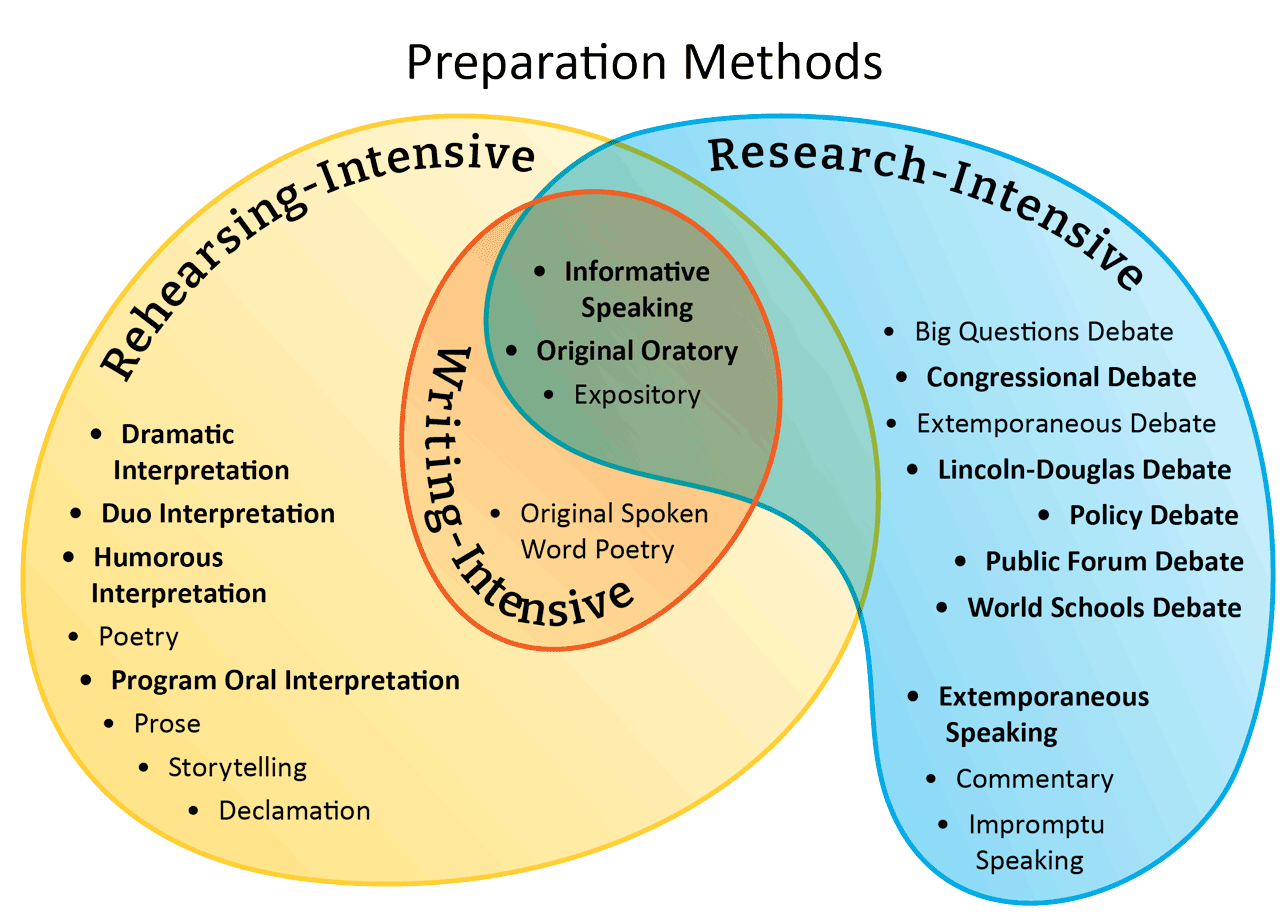
Each event has unique preparation practices. Certain events expect students to be knowledgeable on a wide range of topics, conduct in-depth research, or incorporate supporting material from a variety of sources. They might also require that a student write and perform a completely original speech, or require that a student perform an already-written and published text. While events can include many forms of preparation, we will attempt to categorize them by their primary preparation practices.
Being Widely Knowledgeable and Up-to-Date
In some events, students must choose a prompt or question from a list provided by the tournament or receive an assigned topic prior to the round with no time, 7 minutes, 20 minutes, 30 minutes, or one hour to prepare. These are known as limited preparation events. Because students must be prepared to speak on almost any topic, being well-read, up-to-date, and able to quickly brainstorm and improvise are great assets. Some of these events are:
Commentary – choose a prompt and prepare for 20 minutes
Extemporaneous Speaking – choose a question and prepare for 30 minutes
Impromptu Speaking – choose a prompt, then prepare and give a complete speech within 7 minutes
Extemporaneous Debate – receive a topic and prepare for 30 minutes
World Schools Debate – receive an impromptu motion and prepare for one hour
All debate events – being knowledgeable and up-to-date on a variety of topics is a great asset in any debate event, where students will encounter unexpected arguments.
Conducting Deep Research
Some events require individuals and teams to perform research and be prepared to incorporate high-quality supporting materials into their speeches. Generally, most of this research occurs prior to the tournament.
Expository Speaking, Informative Speaking, and Original Oratory – students research their individual topics in order to share the strongest and most compelling evidence in their speeches
Extemporaneous Speaking – students research and compile files of examples, evidence, and ideas to draw upon during preparation time
Most debate events – students spend a great deal of time between tournaments researching and collecting evidence, including compiling files of research that are organized and ready to use during a round.
Writing Full Speeches
In some events, students write their speech prior to the tournament. The emphasis is on writing a unique, interesting, and impactful speech.
Original Spoken Word Poetry – students write original poetry, word-for-word
Expository Speaking, Informative Speaking, Original Oratory – students write original speeches (supplemented by research) word-for-word
Most debate events – students prepare notes or outlines (supplemented by research) in anticipation of some of their speeches
Cutting Scripts
Finally, some events require that students choose and perform already-published texts. Students choose excerpts (known as cutting) and write a short introduction. Because students choose texts, rather than write their own, these events emphasize rehearsing and creating exemplary performances.
Declamation and all interpretation events – students choose a text (or texts) and write a short introduction
| Event | Being Widely Knowledgeable and Up-to-Date | Conducting Deep Research | Writing Full Speeches | Cutting Scripts |
|---|---|---|---|---|
| Public Address | ||||
| Commentary | ✔ | |||
| Declamation | ✔ | |||
| Expository Speaking | ✔ | ✔ | ||
| Extemporaneous Speaking(United States) | ✔ | ✔ | ||
| Extemporaneous Speaking(International) | ✔ | ✔ | ||
| Impromptu Speaking | ✔ | |||
| Informative Speaking | ✔ | ✔ | ||
| Original Oratory | ✔ | ✔ | ||
| Original Spoken Word Poetry | ✔ | |||
| Interpretation | ||||
| Dramatic Interpretation | ✔ | |||
| Duo Interpretation | ✔ | |||
| Humorous Interpretation | ✔ | |||
| Poetry | ✔ | |||
| Program Oral Interpretation | ✔ | |||
| Prose | ✔ | |||
| Storytelling | ✔ | |||
| Debate | ||||
| Big Questions Debate* | ✔ | ✔ | ✔ | |
| Congressional | ✔ | ✔ | ✔ | |
| Extemporaneous Debate | ✔ | |||
| Lincoln-Douglas Debate | ✔ | ✔ | ✔ | |
| Policy Debate | ✔ | ✔ | ✔ | |
| Public Forum Debate | ✔ | ✔ | ✔ | |
| World Schools Debate | ✔ | ✔ | ✔ | |
|
Preparation |
||||
|---|---|---|---|---|
|
Preparation Event |
Preparation Being Widely Knowledgeable and Up-to-Date |
Preparation Conducting Deep Research |
Preparation Writing Full Speeches |
Preparation Cutting Scripts |
|
Public Address |
||||
|---|---|---|---|---|
|
Public Address Commentary |
Public Address ✔ |
Public Address |
Public Address |
Public Address |
|
Public Address Declamation |
Public Address |
Public Address |
Public Address |
Public Address ✔ |
|
Public Address Expository Speaking |
Public Address |
Public Address ✔ |
Public Address ✔ |
Public Address |
|
Public Address Extemporaneous Speaking (United States) |
Public Address ✔ |
Public Address ✔ |
Public Address |
Public Address |
|
Public Address Extemporaneous Speaking (International) |
Public Address ✔ |
Public Address ✔ |
Public Address |
Public Address |
|
Public Address Impromptu Speaking |
Public Address ✔ |
Public Address |
Public Address |
Public Address |
|
Public Address Informative Speaking |
Public Address |
Public Address ✔ |
Public Address ✔ |
Public Address |
|
Public Address Original Oratory |
Public Address |
Public Address ✔ |
Public Address ✔ |
Public Address |
|
Public Address Original Spoken Word Poetry |
Public Address |
Public Address |
Public Address ✔ |
Public Address |
|
Public Address Interpretation |
||||
|
Public Address Dramatic Interpretation |
Public Address |
Public Address |
Public Address |
Public Address ✔ |
|
Public Address Duo Interpretation
|
Public Address |
Public Address |
Public Address |
Public Address ✔ |
|
Public Address Humorous Interpretation |
Public Address |
Public Address |
Public Address |
Public Address ✔ |
|
Public Address Poetry |
Public Address |
Public Address |
Public Address |
Public Address ✔ |
|
Public Address Program Oral Interpretation |
Public Address |
Public Address |
Public Address |
Public Address ✔ |
|
Public Address Prose |
Public Address |
Public Address |
Public Address |
Public Address ✔ |
|
Public Address Storytelling |
Public Address |
Public Address |
Public Address |
Public Address ✔ |
|
Public Address Debate |
||||
|
Public Address Big Questions Debate |
Public Address ✔ |
Public Address ✔ |
Public Address ✔ |
Public Address |
|
Public Address Congressional Debate |
Public Address ✔ |
Public Address ✔ |
Public Address ✔ |
Public Address |
|
Public Address Extemporaneous Debate |
Public Address ✔ |
Public Address |
Public Address |
Public Address |
|
Public Address Lincoln-Douglas Debate |
Public Address ✔ |
Public Address ✔ |
Public Address ✔ |
Public Address |
|
Public Address Policy Debate |
Public Address ✔ |
Public Address ✔ |
Public Address ✔ |
Public Address |
|
Public Address Public Forum Debate |
Public Address ✔ |
Public Address ✔ |
Public Address ✔ |
Public Address |
|
Public Address World Schools Debate |
Public Address ✔ |
Public Address ✔ |
Public Address ✔ |
Public Address |
Performance
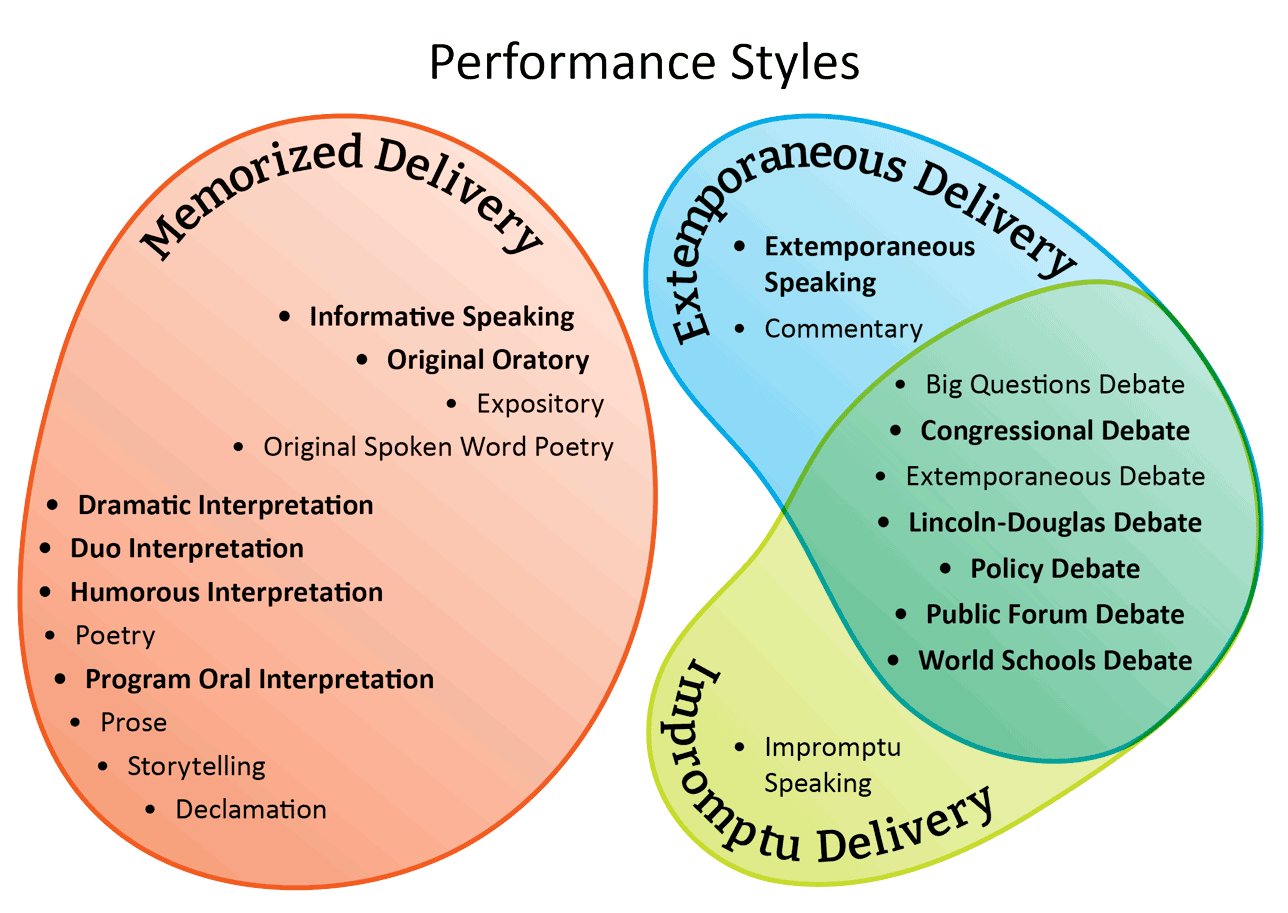
Each event emphasizes or requires different delivery methods.
Impromptu
These events emphasize quick thinking and delivering arguments with little to no preparation time.
Impromptu Speaking – Students choose a prompt and must speak almost immediately, with no written notes.
All debate events – students must quickly respond to unexpected arguments and participate in question-and-answer periods that require instant responses.
Extemporaneous
Students prepare research or outlines in advance.
Commentary and Extemporaneous Speaking – Students choose a prompt and have a short time to prepare and speak, however, they typically cannot use written notes during their speeches.
All debate events – Students research and outline in advance, and do not deliver speeches from memory. Students often read directly from prepared speeches (called cases) and their notes during rounds. Students should be prepared to share their research with opposing teams and judges.
Memorized
Students practice their scripts repeatedly and deliver them with a polished and thoughtful style, with no written notes or scripts.
Declamation, Expository Speaking, Informative Speaking, Original Oratory, Original Spoken Word Poetry, and all interpretation events.

Poetry, Program Oral Interpretation, and Prose competitors hold black books (binders) with their scripts inside, but their performances are still memorized.
|
Performance |
||||
|---|---|---|---|---|
|
Performance Event |
Performance Impromptu |
Performance Extemporaneous |
Performance Memorized |
|
|
Public Address |
||||
|---|---|---|---|---|
|
Public Address Commentary |
Public Address |
Public Address ✔ |
Public Address |
|
|
Public Address Declamation |
Public Address |
Public Address |
Public Address ✔ |
|
|
Public Address Expository Speaking |
Public Address |
Public Address |
Public Address ✔ |
|
|
Public Address Extemporaneous Speaking (United States) |
Public Address |
Public Address ✔ |
Public Address |
|
|
Public Address Extemporaneous Speaking (International) |
Public Address |
Public Address ✔ |
Public Address |
|
|
Public Address Impromptu Speaking |
Public Address ✔ |
Public Address |
Public Address |
|
|
Public Address Informative Speaking |
Public Address |
Public Address |
Public Address ✔ |
|
|
Public Address Original Oratory |
Public Address |
Public Address |
Public Address ✔ |
|
|
Public Address Original Spoken Word Poetry |
Public Address |
Public Address |
Public Address ✔ |
|
|
Public Address Interpretation |
||||
|
Public Address Dramatic Interpretation |
Public Address |
Public Address |
Public Address ✔ |
|
|
Public Address Duo Interpretation |
Public Address |
Public Address |
Public Address ✔ |
|
|
Public Address Humorous Interpretation |
Public Address |
Public Address |
Public Address ✔ |
|
|
Public Address Poetry |
Public Address |
Public Address |
Public Address ✔ |
|
|
Public Address Program Oral Interpretation |
Public Address |
Public Address |
Public Address ✔ |
|
|
Public Address Prose |
Public Address |
Public Address |
Public Address ✔ |
|
|
Public Address Storytelling |
Public Address |
Public Address |
Public Address ✔ |
|
|
Public Address Debate |
||||
|
Public Address Big Questions Debate* |
Public Address ✔ |
Public Address ✔ |
Public Address |
|
|
Public Address Congressional Debate |
Public Address ✔ |
Public Address ✔ |
Public Address |
|
|
Public Address Extemporaneous Debate |
Public Address ✔ |
Public Address ✔ |
Public Address |
|
|
Public Address Lincoln-Douglas Debate |
Public Address ✔ |
Public Address ✔ |
Public Address |
|
|
Public Address Policy Debate
|
Public Address ✔ |
Public Address ✔ |
Public Address |
|
|
Public Address Public Forum Debate |
Public Address ✔ |
Public Address ✔ |
Public Address |
|
|
Public Address World Schools Debate |
Public Address ✔ |
Public Address ✔ |
Public Address |
|
| Event | Impromptu | Extemporaneous | Memorized |
|---|---|---|---|
| Public Address | |||
| Commentary | ✔ | ||
| Declamation | ✔ | ||
| Expository Speaking | ✔ | ||
| Extemporaneous Speaking(United States) | ✔ | ||
| Extemporaneous Speaking(International) | ✔ | ||
| Impromptu Speaking | ✔ | ||
| Informative Speaking | ✔ | ||
| Original Oratory | ✔ | ||
| Original Spoken Word Poetry | ✔ | ||
| Interpretation | |||
| Dramatic Interpretation | ✔ | ||
| Duo Interpretation | ✔ | ||
| Humorous Interpretation | ✔ | ||
| Poetry | ✔ | ||
| Program Oral Interpretation | ✔ | ||
| Prose | ✔ | ||
| Storytelling | ✔ | ||
| Debate | |||
| Big Questions Debate* | ✔ | ✔ | |
| Congressional | ✔ | ✔ | |
| Extemporaneous Debate | ✔ | ||
| Lincoln-Douglas Debate | ✔ | ✔ | |
| Policy Debate | ✔ | ✔ | |
| Public Forum Debate | ✔ | ✔ | |
| World Schools Debate | ✔ | ✔ | |

The NSDA offers a variety of topic and research resources for our events, including:
Topics page – where topics and associated resources are posted, including:
- Extemporaneous Speaking practice questions
- Congressional Debate monthly docket
- Lincoln-Douglas topic analysis and advanced research guides
- Public Forum topic analysis and advanced evidence research guides
- Sample World Schools motions
National Tournament Script Database – lists Dramatic Interpretation, Duo Interpretation, and Humorous Interpretation scripts from prior National Tournaments
Compare and Contrast
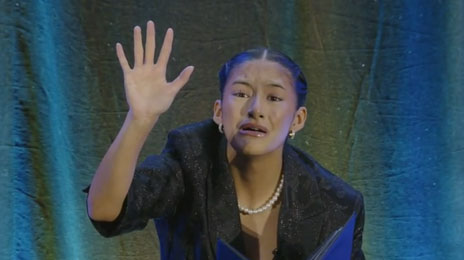
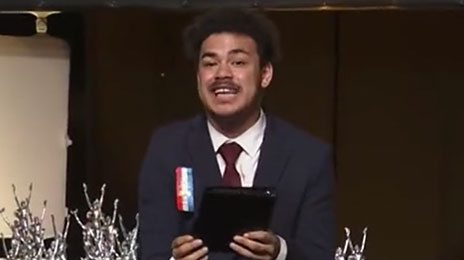
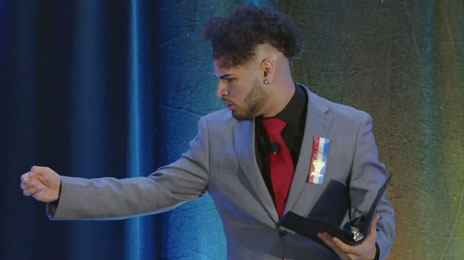
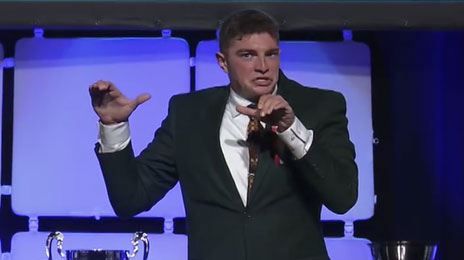
Recommendations for Students
Choosing an event can be a lot of fun! You can consider your existing talents and preferences, or you can choose something that will be a challenge. In this section, you can browse our resources to help you choose an event or events, including an infographic, quiz, and our What to Expect Competing In series, where students will introduce you to the experience and benefits of competing in their favorite events.
Choose events that are main events for your category (High School or Middle School), that your school competes in, and are offered in your area. Explore the detailed information about each event to make an informed decision.
The most important thing is, don’t limit yourself! It’s a myth that you need to be hot-headed to be a skilled debater or to be an extrovert to be excellent at Interp events.
Anyone can excel at any speech and debate event.
Professional football players study ballet to build agility, and painters study geometry to improve technique. Similarly, debaters might practice interpretation to improve their delivery, and public speakers might practice debate to deepen their understanding of argumentation. Consider trying out new events so you can develop a wide variety of skills and knowledge. You might discover a passion or talent you didn’t know you had!
Keep in mind, you can also switch events throughout your time in speech and debate. Find an event that you love!
Choosing Competition Events Quiz
Take the quiz to receive a recommendation for a group of events you may enjoy.
The purpose of this quiz is to help you identify some possible connections between your preferences and interests and speech and debate events. However, it is not scientific and you should treat the results as fun suggestions, not binding truths.
Speech and debate events have similar topics, preparation, and performance components, so you might discover that several of the possible responses apply to you. Read each prompt and choose the BEST fit.
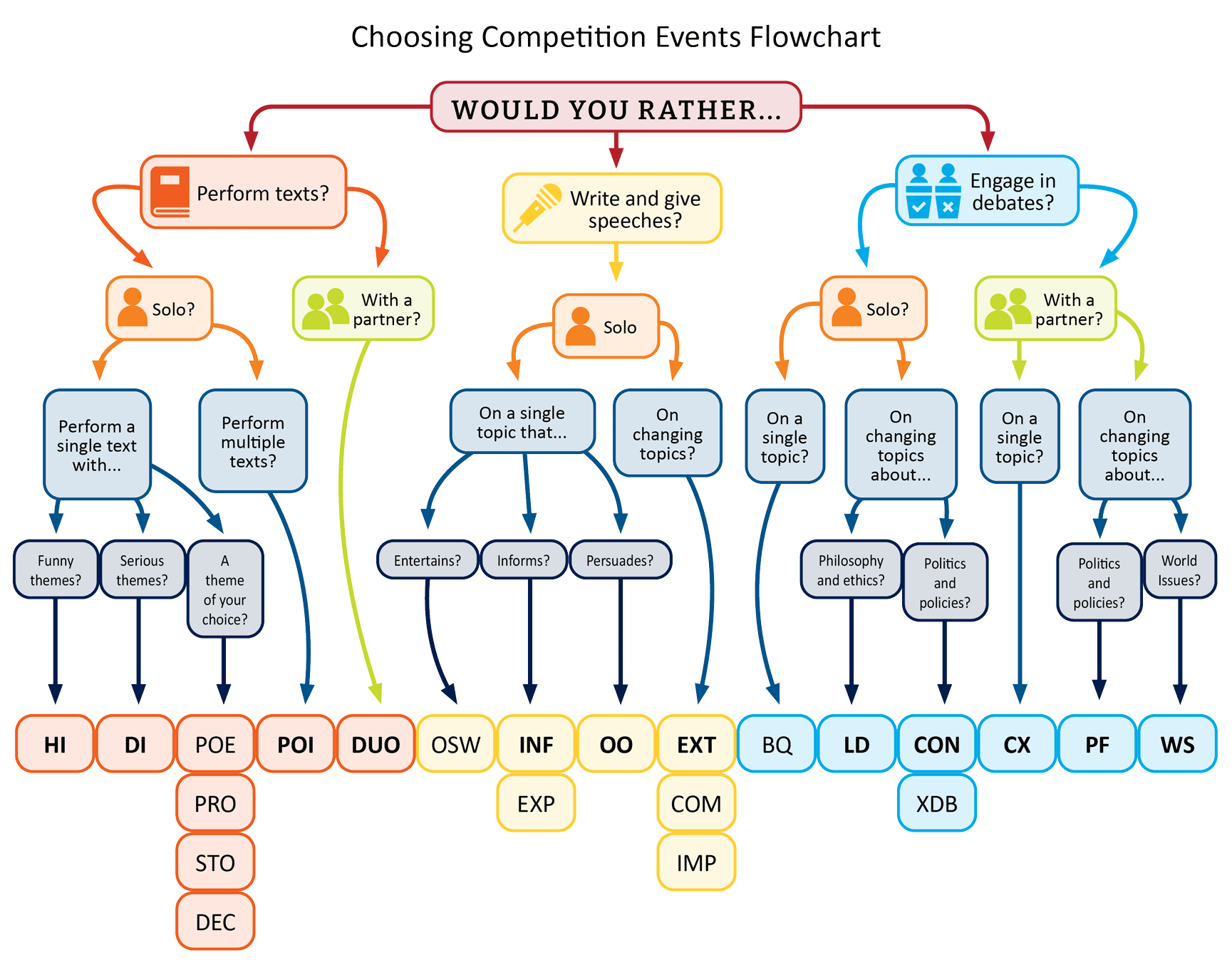
Choosing Competition Events Flowchart
What to Expect Competing
What to Expect Competing
Browse our What to Expect Competing series to learn more about competing in NSDA events.
What to Expect Competing In:
Speech
Public Address
United States Extemporaneous Speaking
International Extemporaneous Speaking
Interpretation
Debate
Recommendations for Coaches
In this section, three experienced coaches provide their recommendations to new coaches and teams in each event category: public address, interpretation, and debate. They will compare and contrast events in terms of onboarding, sustainability, competing, budgeting, and recruiting judges. You can also browse our What to Expect Coaching series, where coaches will introduce you to the experience and benefits of coaching their favorite events.
These are simply recommendations—as the coach, you get to decide!
Choosing Public Address Events
Recommendations: United States Extemporaneous Speaking and Original Oratory
For many speech and debate programs, public address events provide a natural entry point into competition. These events build research skills, critical thinking, and the ability to communicate complex ideas clearly. The NSDA offers four main public address events: United States Extemporaneous Speaking, International Extemporaneous Speaking, Informative Speaking, and Original Oratory. Each has its strengths, and the right choice often depends on practical factors, such as how easy the event is to teach, how it fits into a sustainable practice schedule, the competitive environment in your region, and budget considerations.
Informative Speaking: Familiar, but with Added Complexity
Informative Speaking often feels like the most intuitive starting point. The structure is similar to an assignment students already understand. They choose a topic, research it thoroughly, and present a well-organized explanation. Many informative speeches resemble a structured essay of about 1,000 to 1,500 words delivered in 10 minutes. Because the format feels familiar, it can be relatively easy to introduce to beginners. Coaches can rely on writing skills students already practice in English or social studies while guiding them through the research and drafting process.
However, Informative Speaking adds one major element: visual aids. While NSDA rules do not require them, it is rare to see a competitive informative speech without some form of visual support. Designing effective boards or graphics requires additional instruction and rehearsal. Students must learn not only what to say but also how to coordinate their delivery with their materials. Visual aids can also lead to some costs. Printing boards, buying foam core or mat board, and transporting materials to tournaments can add expenses that newer programs may want to avoid at the start. Logistically, they also complicate travel. Carrying boards through crowded hallways or loading them into vehicles becomes part of the tournament routine.
For teams that want to keep things simple early on, Informative Speaking can involve more components than it appears at first.
International Extemp: A Challenge for the Experienced
International Extemporaneous Speaking asks students to deliver a seven-minute speech answering a question about global current events after 30 minutes of preparation. Success in this event requires students to follow international news regularly and to synthesize information about geopolitics, economics, and global trends. Because the scope of the event is broad, it often attracts older or more experienced students who already have a strong interest in world affairs. For brand-new speakers, the learning curve can be steep. Students must develop habits of reading international news, organizing research files, and thinking quickly under time pressure.
That said, International Extemp can become an excellent advanced event within a program. Students who excel often develop impressive analytical skills and a deeper understanding of how global events shape the world around them.
Original Oratory: A Classic Starting Point
For many teams, Original Oratory is the easiest public address event to introduce to new students. Original Oratory consists of a 10-minute persuasive speech written by the student. Competitors argue for a change in thinking or behavior on an important topic. While speeches often include humor or storytelling, they must ultimately rely on evidence, logic, and clear structure.
One reason Original Oratory works well for beginners is that persuasive speech writing is widely taught in schools. Students already have experience writing persuasive essays, so the transition to a speech format feels natural.
Another benefit is that students choose their own topic. When students care about the issue they are discussing, they are more likely to stay engaged throughout the long process of drafting, revising, and practicing a speech during the season.
Original Oratory also fits well within a sustainable practice schedule. Once the speech is written, much of the season is spent refining delivery and strengthening arguments rather than constantly preparing new material. This allows practice time to focus on performance skills and feedback.
From a budget perspective, Original Oratory is also straightforward. No visual aids or special materials are required. Students mainly need research, rehearsal time, and coaching support.
Finally, Original Oratory is commonly available on the tournament circuit. Nearly every tournament offers the event, although some regions may refer to it as Persuasive Speaking. This consistency makes it easier for students to find rounds and gain experience.
United States Extemp: A Natural Fit for News-Focused Students
United States Extemporaneous Speaking asks students to answer a question about domestic current events in a seven-minute speech after 30 minutes of preparation. Students select a question related to U.S. politics, economics, domestic policy, or cultural issues. During prep time, they consult research they have gathered throughout the season. At some tournaments, including the NSDA National Tournament, internet access may also be available.
U.S. Extemp works particularly well for students who enjoy following politics or national news. Debate students often choose this event because it reflects the analytical thinking they use in rounds.
From a coaching perspective, U.S. Extemp has several advantages. The speech structure is relatively easy to teach. Most responses follow a clear framework that resembles a concise essay answering the question directly.
Although the event is technically individual, preparation can become highly collaborative. Teams can divide research responsibilities, share articles, and discuss potential questions together during practice.
Financially, the event can be very accessible. The main resource students need is access to news sources. While some teams buy subscriptions, many school or public libraries provide free access to databases and major publications.
Like Original Oratory, U.S. Extemp appears at most tournaments, making it a dependable option for regular competition.
The biggest challenge for students is maintaining the habit of reading the news consistently and organizing their research. However, that discipline often helps students become more informed and engaged citizens.
Conclusion
Choosing a public address event ultimately depends on the needs and structure of your program. Teams seeking an easy entry point often start with Original Oratory because of its accessibility, low cost, and steady workflow throughout the season. Programs that want to emphasize current events and analytical thinking may find United States Extemp to be an excellent main event.
The encouraging reality is that all four events develop similar essential skills: research, critical thinking, and clear communication. When coaches select the event that fits their students and their program’s resources, public address competition becomes manageable and a powerful educational experience.
 |
Travis Rother is the NSDA’s Membership Coordinator and a nationally successful speech coach. He has helped coached four national champions, 17 national finalists, and 26 state champions. In Informative Speaking alone, he helped coach the 2020 national champion, 2021 national runner-up, and the 2025 third place speaker. He serves as the Minnesota Speech Coach Association President and loves to help new coaches find sustainable success in this activity. |
Choosing Interpretation Events
Ethan Gambriel, Willard High School, MO
Recommendations: Dramatic Interpretation and Humorous Interpretation
Being intentional in what and how you coach can help you keep up with the busy coaching schedule in a sustainable way. Inspiring and empowering students is a hefty goal, but it can be accomplished with the right tools. In this case, those tools are the events they do, and as coaches, our goal should be to give our students as many tools and opportunities as possible.
For new coaches and programs, I recommend starting with Dramatic Interpretation and Humorous Interpretation. The foundational skills in Dramatic Interpretation and Humorous Interpretation (characterization, blocking, vocal control, pacing, cutting literature, understanding narrative arc, etc.) transfer directly into Duo Interpretation, Poetry, Program Oral Interpretation, Prose, and Storytelling. In other words, starting with these two events builds a foundation that makes growth easier and more sustainable.
Ease of Onboarding
If your team has never competed in interpretation before, or if your team only does some of the events, onboarding and training in a new event can be especially horrifying. Luckily for all of us, there are so many examples of both paid resources on the NSDA website, and even free examples from places like YouTube. The NSDA has a YouTube channel where they post free videos of events throughout the year.
When you first introduce the events to the students, I recommend starting with an assignment for them to be the “judge” of a final round. You can do this in three ways:
Option 1. Choose the event you want them to judge. Then, choose a final round (NSDA final rounds are available on the NSDA website) and have students fill out ballots or worksheets to evaluate the round. This usually takes about two days in class to watch the rounds, and then another day for them to compose their comments.
Option 2. Group together several performances that you like to create a simulated “final round.” This allows you to choose specific content, techniques, and so forth that you’d like to emphasize. I like to do this so I can curate what types of pieces my students see, but if you aren’t familiar, it might be an easier pathway to use option 1.
Option 3. Start with videos of other (shorter) interpretation events like Poetry, Prose, or Storytelling, then work your way up to the main events.
A few additional onboarding tips:
- Just start! You’ll never feel fully ready, but the best way to learn is by doing.
- Watch rounds at local tournaments and judge as much as you can to learn what the local circuit is doing and what is winning.
- Use your resources! The NSDA has many videos as examples. While these are high-level performances, they give your students a goal to work toward. Though, you should remind your beginners that these performers have been practicing these pieces for months, and this is a final product, not what they started with.
- Embrace the unknown. Growth requires a willingness to experiment!
Sustainable Schedules and Well-Being
One of the best parts about every interpretation event is that you can do a full run-through Monday-Friday, and you’ve spent less than 60 minutes working. Because these events are only 10 minutes long, you can easily approach practice every day. At the beginning of the process, practice might take a bit longer, but daily work and practice make the process fly by. In fact, my students often tell me that they find practice time in their busy days by running through their performance while doing chores or even during their daily shower! Additionally, unlike debate cases or extemporaneous speeches, students are not rewriting case positions weekly or preparing for constantly changing topics. They are refining the same piece of literature over time, which allows for depth rather than constant reinvention.
When finding pieces, start small rather than trying to cut a full chapter book or play. Have your students read through the pre-made resources before they decide to start cutting (choosing excerpts from longer texts) their own pieces. Of course, these pieces are more prone to being “overdone” because many people have access to them. But, you have to start somewhere. One thing that my team typically does is provide novices with a pre-cut script and task them with writing their own introduction for it. Once students have cut scripts, start a class library of all cut scripts that you can collect and curate over your years of coaching.
Circuit Considerations
Dramatic Interpretation and Humorous Interpretation both exist on nearly every competition circuit. That universality makes them practical starting points for programs that may later expand into larger competitive spaces.
Budget Considerations
Your budget can be a great help to finding scripts, but it never has to be a hindrance. A great way to find scripts is actually as simple as a Google search. As long as the link is a live and public link that anyone can access, you can use it for your script. And it’s free!
There are also sources, such as subscription services, that will send you a weekly set of scripts and database access. Moreover, some programs have a large enough budget that they can pay authors to write and publish scripts specifically for their students. Don’t be intimidated by this! You don’t have to have scripts written specifically for your students to do well. In fact, perhaps it is more impressive to take something written without your students in mind and then make it their own. I have coached multiple national finalists, and we have never had a piece written for us. We make the literature our own interpretation, which, to me, is the heart of the event.
Recruiting Judges
Finally, the ease of recruiting judges for these events is fun! Many repeat judges at my tournament request to judge interpretation events because they love them so much. A lot of judges just want to sit back and laugh at a teenager doing silly voices. Offering an example video and ballot prior to tournaments will also help judges feel more confident and comfortable. In addition, the NSDA provides free judging training resources.
Conclusion
Every established program once began with a single student and a single piece of literature. If you are building a new program, begin with Dramatic Interpretation and Humorous Interpretation. They are accessible, sustainable, flexible, and foundational. They create space for students to discover who they are as performers, storytellers, and thinkers. From there, expand in ways that reflect your students’ identities and interests. Most importantly, remember that interpretation is about giving students a platform to explore voice, perspective, and empathy. Whether your team competes locally or nationally, whether you have one entry or 70, the work matters. The stories matter. The students matter.
 |
Ethan Gambriel teaches and coaches speech and debate at Willard High School in Missouri. Coach Gambriel was the 2019 NSDA Nationals Duo Interpretation runner-up and coach of the 2025 NSDA Nationals Duo Interpretation third place team. |
Choosing Debate Events
Todd Crites, Grinnell High School, IA
Recommendations: Public Forum Debate and Congressional Debate
If you are starting a debate team at your school, you will need to decide which debate events your students will compete in. Based on my experience coaching debate at a small rural school with a modest budget, the best events to choose are Public Forum Debate and Congressional Debate. These events are the most accessible for both students and for the adults you will recruit to help fulfill your school’s judging obligations at tournaments. Both debate events are easy to learn and to teach, making them ideal events to begin with when establishing a debate team.
Public Forum Debate: Accessible and Engaging
Public Forum Debate is the NSDA’s most popular debate event, and virtually all debate tournaments will offer Public Forum as an option for your students. Many tournaments will even divide Public Forum into two categories:Novice Public Forum for students in their first year of high school debate and Varsity Public Forum for more experienced debaters. In general, teams will debate other teams of similar skill level after the first two or three rounds of a tournament. This is because later rounds are “powermatched,” meaning that teams face opponents with similar records in these rounds. So a team that had one win and two losses in the first three rounds would face a team with the same record in round four. Your debaters will learn from every round they’re in, but it’s nice when at least a couple of rounds are truly competitive!
Public Forum topics are also designed to be accessible, and they allow students to enter into a pre-existing conversation among scholars and experts about public policy or current social issues. Topics change every month or two, so even if your season is just a few months long, students can debate multiple topics. More topics means more learning, and having multiple topics during a season is also beneficial because not every student has the same interests. If some members of your team don’t find a certain topic to be particularly compelling, odds are they’ll find at least one topic they debate over the course of a season to be engaging. Over the course of a four-year high school debate career, a student may debate a dozen different topics or more. They will make connections between topics and see news about topics they’ve debated. Students may learn more about politics, geography, sociology, and economics from debate than they learn from their classes due to the depth of research they will do.
Preparing students to compete in Public Forum is relatively straightforward. They research the resolution to learn what arguments experts are making about the topic, and then they synthesize those arguments to develop the main arguments they will make for or against the resolution. These arguments are called contentions. You can prepare your team to compete in Public Forum with as little as one month of practice, assuming your team is able to practice a few hours per week. You can find videos of Public Forum rounds on the NSDA website and on YouTube that will allow your students to see what a Public Forum round is like. During practices you will also teach research, help students develop arguments, and guide them through practice debate rounds.
Public Forum is the ideal debate event for teaching the fundamentals of debate, such as how to construct and evaluate arguments, how to take notes and organize speeches, and how to weigh the importance of different arguments against one another. Students who learn Public Forum develop the foundational skills they can use in other events, if they choose to branch out to events like Congressional Debate, Lincoln-Douglas Debate, or Extemporaneous Speaking. They’ll also naturally apply their learning to their high school coursework, making them stronger students.
Public Forum Debate was created to be accessible to lay judges: ordinary people who don’t have specialized training in debate. At most local tournaments, that’s exactly what Public Forum Debate will be—high school students making reasonable arguments in front of judges from the community (coaches, former debaters, parents, teachers, etc.). The accessibility of Public Forum makes it easier to recruit judges. You can assure the individuals you recruit to judge that they don’t need experience with debate or knowledge of the topic. The NSDA provides judge training resources, and many coaches have developed their own to focus on the key points of judging, such as the format of a Public Forum round, how to access and fill out ballots, how to evaluate arguments to reach a decision, and what type of feedback is most useful to debaters.
Congressional Debate: Collaborative and Confidence-Building
Congressional Debate is also relatively easy for students to learn and for adults without a debate background to judge. In Congressional Debate, students determine the topics with the legislation they introduce. These student-written bills and resolutions are typically short (less than a page) and focus on current issues that students care about. In addition, because Congressional Debate places greater emphasis on delivery than other debate events, competitors and judges don’t need to worry about their opponents spreading, which is when a debater speaks incredibly fast in order to make it harder for one’s opponent to respond to all the arguments that were made. Congressional debaters strive to be clear and compelling, making Congressional Debate a natural cross-over event for students who also compete in speech events or interpretation events.
Congressional Debate is also the only debate event where debaters can choose their level of involvement within the competition itself. Debaters can choose how often they want to be called upon to give speeches or to ask questions. This allows students to gradually increase their participation from one session to the next at a tournament as they get more comfortable with the procedures and norms of Congressional Debate. For instance, a novice debater may set the goal of giving one speech and asking two questions in their first session. Then, in their next session, they increase their goal to two speeches and three questions. Unlike other debate events that tend to be high-intensity from the very beginning of a round, in Congressional Debate, a student can take their time to learn how the event works simply by being present in a session, and then they can ramp up their involvement as they gain confidence.
Congressional Debate can also be attractive to students who are particularly social or interested in collaborative problem solving. The activity involves collective decision making (e.g., setting the order of bills to be debated) and fosters the development of relationships, since debaters find themselves “partnering” with competitors from other schools as they build upon one another’s arguments urging the passage (or failure) of bills. Relationships also form as Congressional debaters hang out together when they take recesses during a session. When debaters interact with the same competitors from tournament after tournament over multiple years, friendships naturally develop.
Congressional Debate can be a good option for students who have limited time to devote to in-person practice but who have time to devote to research. It’s not uncommon for a tournament host to post the docket (list of bills to be debated) a week prior to the competition, meaning preparation for most tournaments is happening over a short time frame. Therefore, students should write authorship speeches for their own bills prior to receiving the docket so they can devote all of their time after receiving the docket to researching the legislation introduced by other schools’ debaters. Ideally, you’ll have at least a handful of debaters on your team competing in Congressional Debate so they can collaborate on research, taking a divide-and-conquer approach to develop arguments for as many bills as possible. Many teams use shared documents to organize this research, and then debaters will utilize the arguments contained in those documents during sessions to draft speeches.
Most tournaments will offer Congressional Debate, and it’s typically not difficult to find a local tournament to compete in. The availability of multiple tournaments allows you to shape your season around the times that work best for you and your students. Having plentiful options also gives you the flexibility to determine the length of your season, which can be helpful when seeking to align your time investment with the financial commitment your school or district is willing to make to your team.
In contrast to Public Forum and Congressional Debate, other debate events like Policy Debate and Lincoln-Douglas Debate are significantly more labor-intensive to learn, teach, and judge, as they tend to draw heavily on debate theory and academic philosophy. To coach these events, you either need experience competing in the event yourself or the time and motivation to learn the terminology, norms, and conventions of these more technical forms of debate. For students to compete in these events, they need to be willing to invest many hours in learning the many types of arguments they may encounter. This learning can be fascinating and horizon-expanding, but it’s not something a coach will want to embark on with students without forethought.
Conclusion
Public Forum and Congressional Debate are events that new coaches can learn quickly, that students new to debate can easily comprehend, and are widely available at tournaments in most states. As your expertise and team grows, you can consider adding other debate events to your repertoire. But you can also have a successful, sustainable team that focuses on these events alone.
 |
Todd Crites is the head debate coach at Grinnell High School in Grinnell, Iowa. Todd has been coaching debate for over 20 years and has had the privilege of coaching multiple state champions in Public Forum Debate and NSDA National Tournament qualifiers in both Public Forum and Congressional Debate. In addition to coaching debate, Todd teaches high school social studies and serves on the executive board of the local teachers’ union. He enjoys spending time with his wife Danya and their four kids—three former debaters and one future debater! |
What to Expect Coaching
What to Expect Coaching
Browse our What to Expect Coaching series to learn more about coaching NSDA events.
What to Expect Coaching:
Speech
Public Address
Interpretation
Debate