
Wellness
Wellness is critical to a sustainable speech and debate community. Prioritizing wellness ensures speech and debate supports student growth and success beyond competition. Be sure to check out the resources below for additional tools, insights, and support to help promote wellness in your speech and debate community.
NSDA Wellness Lens
The Wellness Lens is a resource designed to help coaches, organizations, and tournament leaders reflect on the potential effects of their decision-making processes. This document encourages open and thoughtful communication before making decisions that may impact an individual’s participation in speech and debate.
Wellness Resources
Judge Recruitment: Expanding the Circle
Anyone involved in the speech and debate community knows that judge recruitment can sometimes feel like the hardest part of the entire activity. Tabroom.com can solve a lot of problems, but it cannot create judges out of thin air.
NSDA Tournament Emergency Checklist
Practical questions a coach-organizer can ask themselves to prepare for emergencies while hosting a high school speech and debate tournament. Use these questions as a checklist to confirm readiness and to assign specific owners for each task.
Building Better Tournament Days
If you have ever judged six rounds back-to-back with no breaks after getting up hours before dawn to meet your students at school at 5:00 a.m., drive them to a tournament, and then spend the day judging until nearly 11:00 p.m. that night, you already understand how relentless a less-than-ideally designed tournament schedule can feel. (And, perhaps worst of all, somewhere around round four the judges’ lounge usually runs out of coffee).
Alternative Tournament Options
• What is the most primary purpose of invitational tournaments?
• What are non-negotiables?
• What does this mean for judge recruitment?
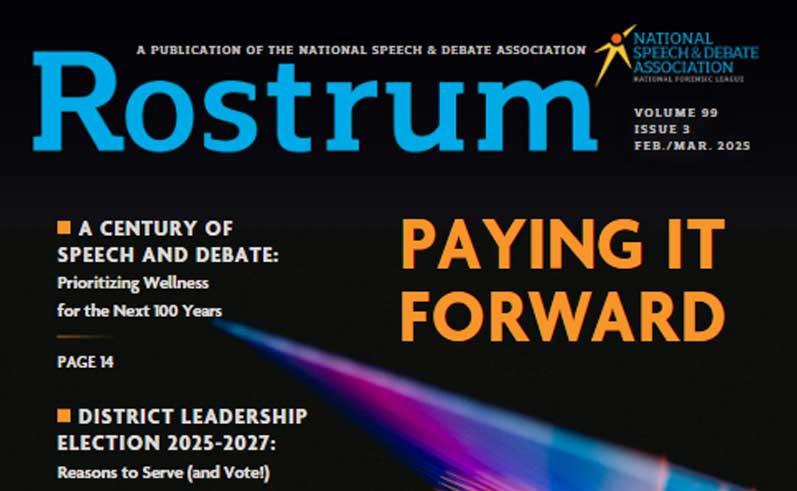
Prioritizing Wellness for the Next 100 Years
This article discusses the role wellness will play in speech and debate, as well as introduces the NSDA’s Wellness Lens—a resource designed to assist coaches, tournament directors, and organizational leaders in keeping wellness at the forefront of their decision-making process.
Navigating Students with Anxiety in the Classroom and Competitive Space
Counselor Lilian Adeyemi’s interactive session defines stress and anxiety, explores how to create an atmosphere that fosters mental health and wellness, and provides strategies and tips to alleviate stressors through speaking to students about what they have experienced, utilizing group activities, exercises, and techniques one can use throughout the coming academic/competitive season and beyond.
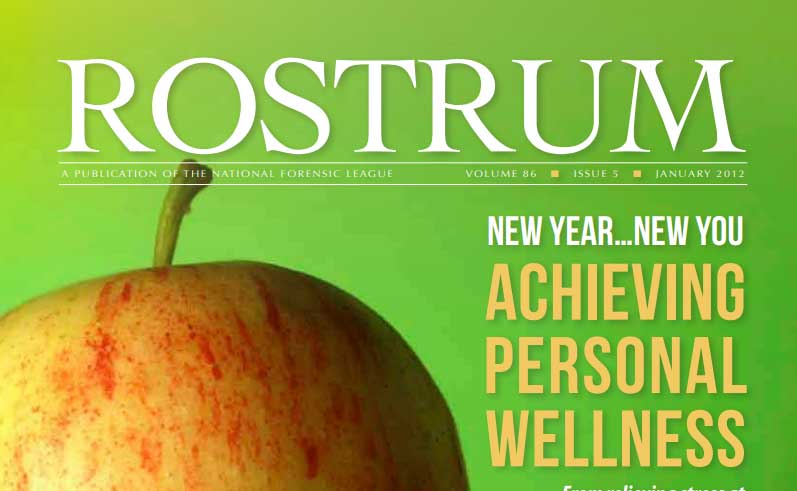
January 2012 Rostrum
This issue features articles on achieving personal wellness and maintaining balance in the speech and debate community. The issue includes articles on interpersonal wellness and wellness strategies—tailored to the demands of speech and debate participation.
-
- Interpersonal Wellness by Deano Pape
- Common Sense Ways to Stay Healthy at Tournaments
- Finding Balance in Debate by Nicole Wanzer-Serrano
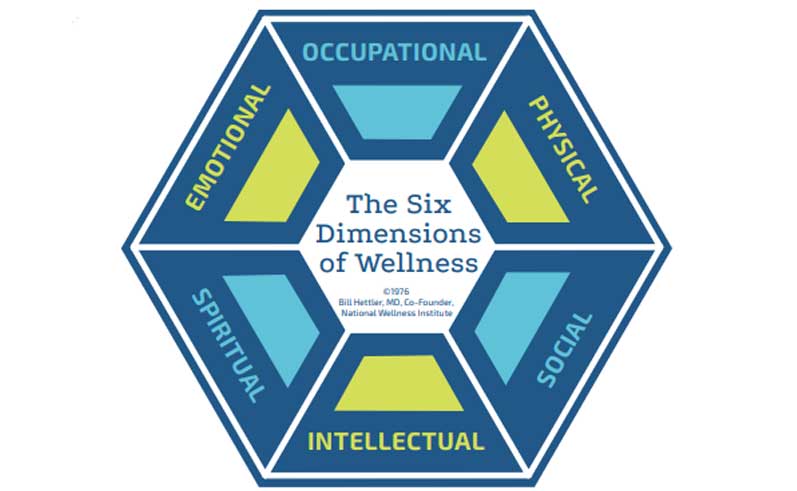
The Six Dimensions of Wellness Model
Developed by Dr. Bill Hettler, a co-founder of the National Wellness Institute (NWI), the Six Dimensions of Wellness is a holistic framework that identifies multiple ways to conceptualize health and wellbeing and offers guidance for putting those concepts into practice.
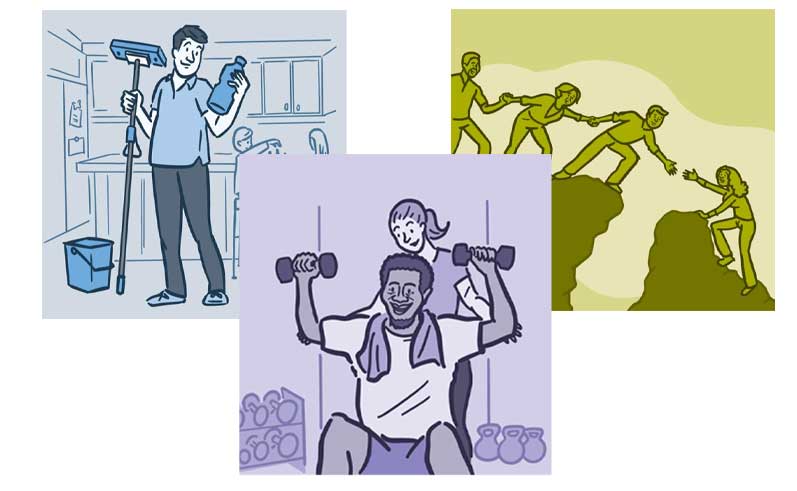
Wellness Toolkits (National Institute of Health)
Five evidence-based toolkits with practical tips for improving emotional, physical, social, environmental, and preventive health.

5 Ways to Prevent Burnout as a Teacher
Five key strategies for teachers to maintain well-being—setting clear work-life boundaries, managing workload effectively, practicing structured time management, prioritizing self-care, and cultivating passion and curiosity in teaching.
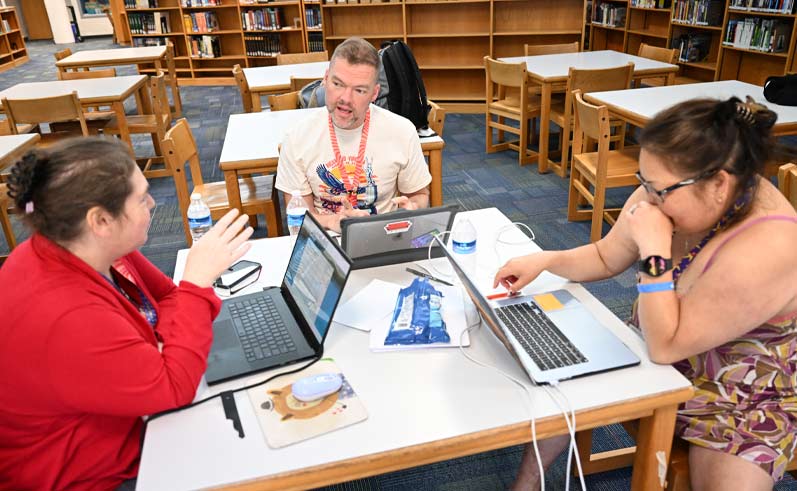
Emergency Preparedness Coach/Team Checklist
A practical checklist to help coaches prepare for emergencies at speech and debate tournaments. It covers key documentation, contacts, medical and safety considerations, emergency planning, and essential supplies.